The adventure started before we ever left the airport.
Five of us, three of my Hofstra teammates and my longtime friend Maria, who I had played lacrosse with since fourth grade. arrived with oversized duffel bags, backpacks, lacrosse sticks in hand, and parents trailing behind us trying to soak up every last minute before we boarded our flight. My teammates and I had spent months preparing for Germany, but somehow none of us, parents included, had considered one very obvious detail.
You can't just carry lacrosse sticks onto an airplane.
Cue five confused college students standing at the security checkpoint, frantically trying to figure out what to do while our departure time crept closer. Just when it looked like we'd have to leave our sticks behind, one of the moms remembered she still had a couple of old stick bags in her car. She sprinted back to the parking lot, returned a few minutes later, and we somehow managed to squeeze all five sticks into two bags before checking them at the last possible moment.
We watched them disappear down the conveyor belt, collectively hoping we'd see them again in Germany.
Only then did it finally hit me.
I was twenty years old, boarding my first international flight.
It was the summer of 2014, and I was heading into my junior year at Hofstra University. As a film major, spending a semester abroad was never really in the cards. The program revolved around internships during junior and senior year, leaving little room to disappear overseas for a few months. I had always dreamed of seeing the world, but I wasn't sure when, or even if, that opportunity would come.
As it turned out, the door to international travel didn't open through filmmaking.
It opened through lacrosse.
The year before, one of my teammates had traveled with an organization called Global Players, an international program that brought collegiate athletes overseas to compete, coach, and experience new cultures through sport. I applied, was accepted, and was fortunate enough to receive a film scholarship. In addition to playing lacrosse, I would spend the next six weeks documenting our journey through Germany and Switzerland.
Somehow, all the things I loved had collided into one opportunity.
Our group would included athletes from colleges across the United States. Berlin, Germany served as the starting point for several Global Players programs, including men's lacrosse, women's lacrosse, and field hockey.
Landing in Berlin brought us our first international travel reality check.
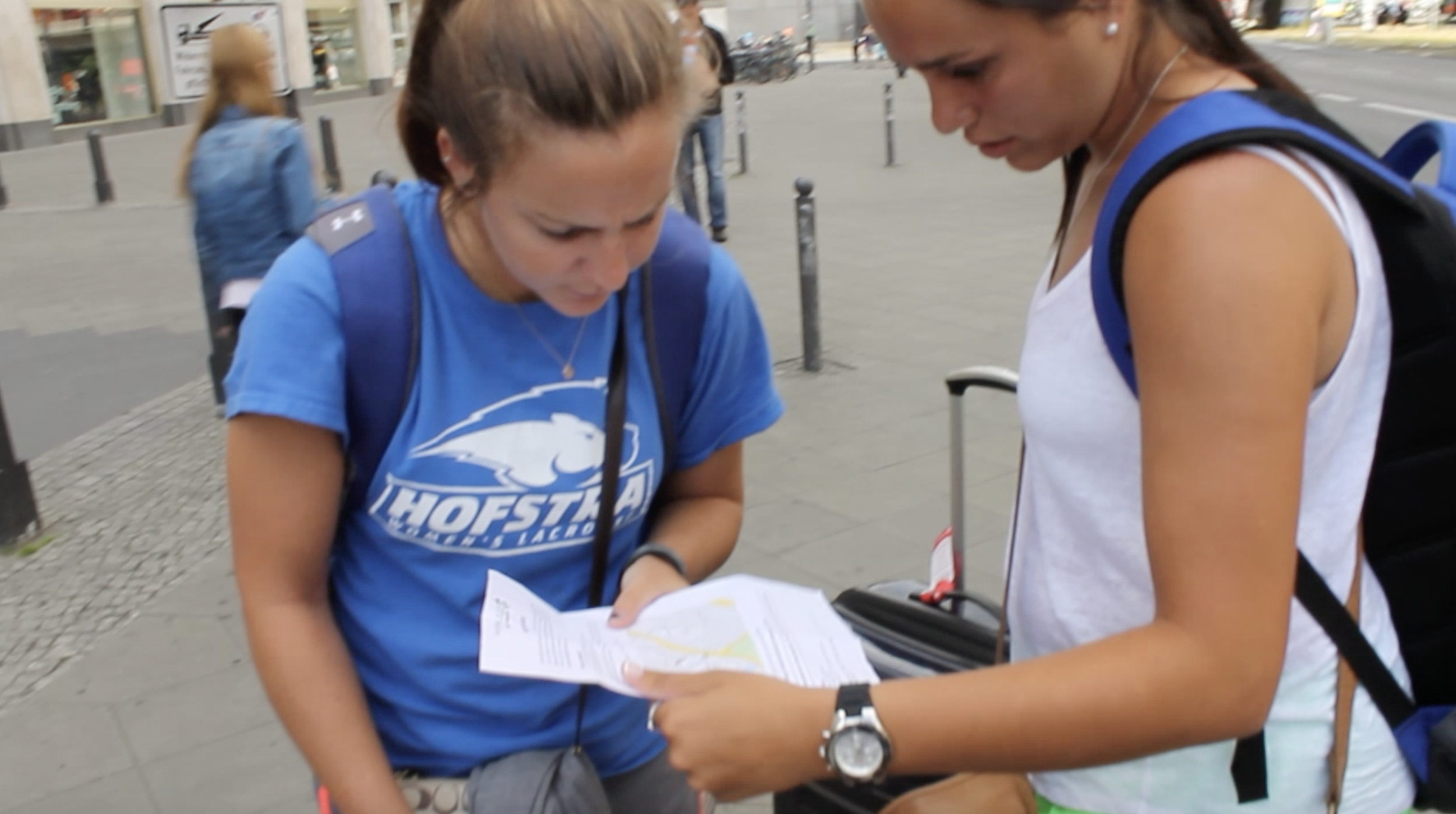
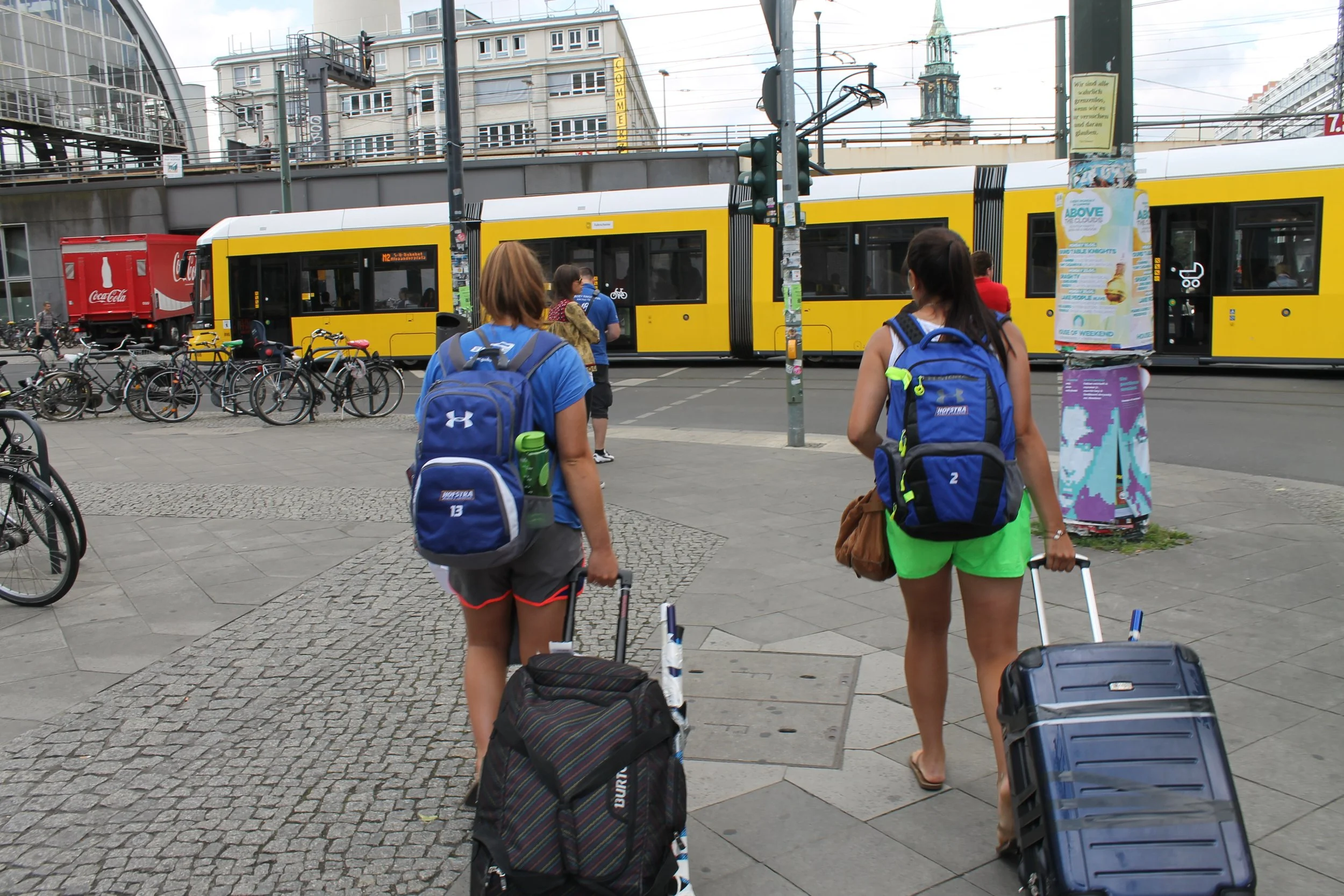
Our phones didn't work. None of us spoke German. Google Maps wasn't an option. Armed with a paper map, backpacks, and a healthy amount of confidence we probably hadn't earned, the five of us stepped out of the airport determined to find our hostel somewhere across the city.
Somehow, we did.
The hostel became home for the next few weeks. My four friends and I shared a room with the field hockey players and several female travelers from around the world. Somewhere between fifteen and twenty women slept in rows of bunk beds, sharing bathrooms, swapping travel stories, and constantly coming and going with giant backpacks. Looking back, it was my first introduction to hostel travel.
For many people, the idea of staying in a hostel can feel intimidating. Unlike hotels, hostels offer shared accommodations where travelers rent individual beds rather than private rooms. Bathrooms, kitchens, and common areas are communal, making them one of the most affordable and social ways to travel.
At twenty years old, though, it felt surprisingly familiar. In many ways it reminded me of summer lacrosse camps growing up. There were bunk beds, gear everywhere, people laughing late into the night, and a constant buzz of excitement. Instead of players from neighboring towns, though, we were surrounded by travelers from every corner of the world.
When we weren't competing, we became tourists. We explored the city by bike, stopping at places I'd only ever read about in history books: remnants of the Berlin Wall, the Brandenburg Gate, Checkpoint Charlie, the Memorial to the Murdered Jews of Europe, and the Reichstag. Walking through those places made history feel tangible in a way no classroom ever had.
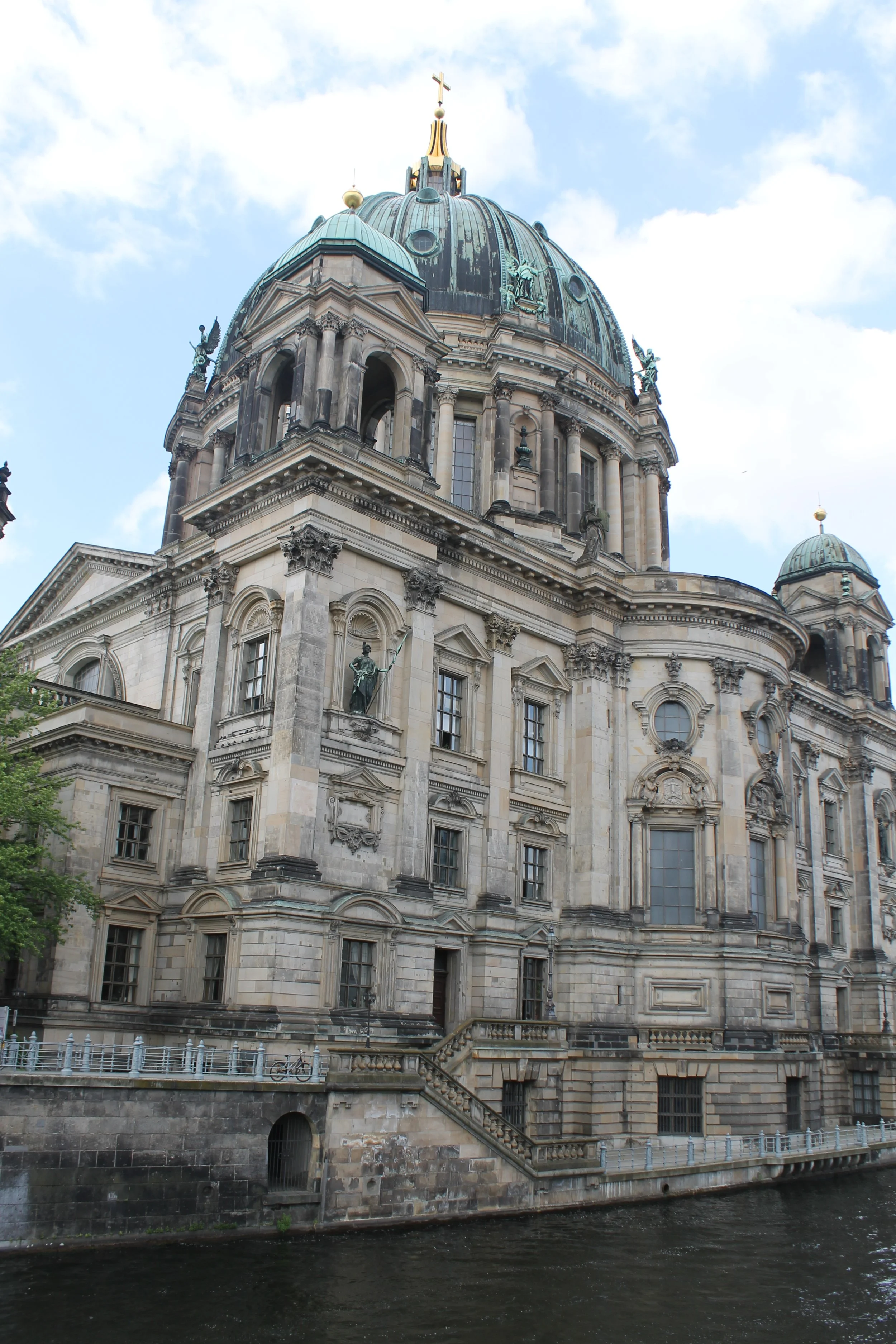
Berlin Cathedral (Berliner Dom)
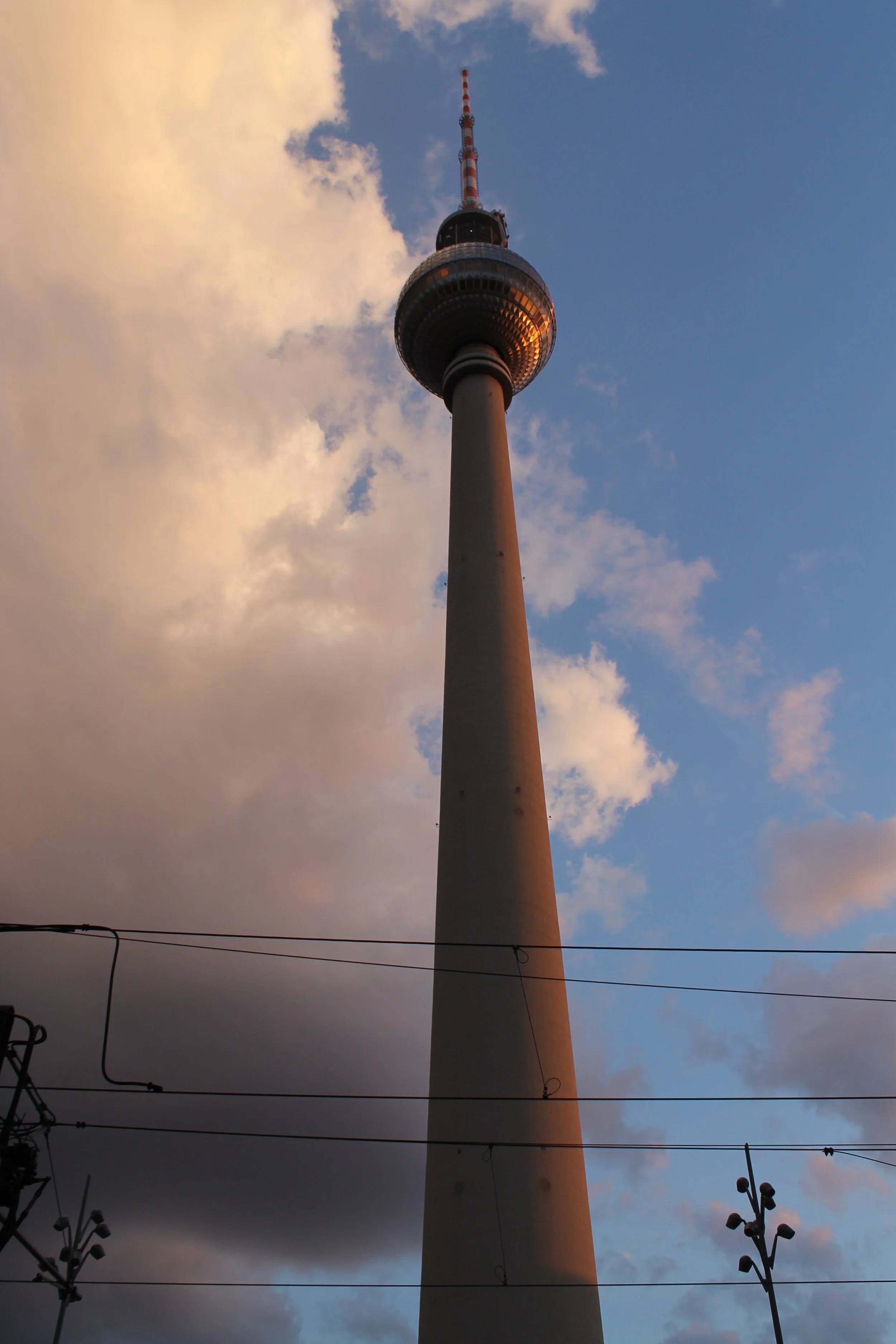
Berliner Fernsehturm (Berlin Television Tower
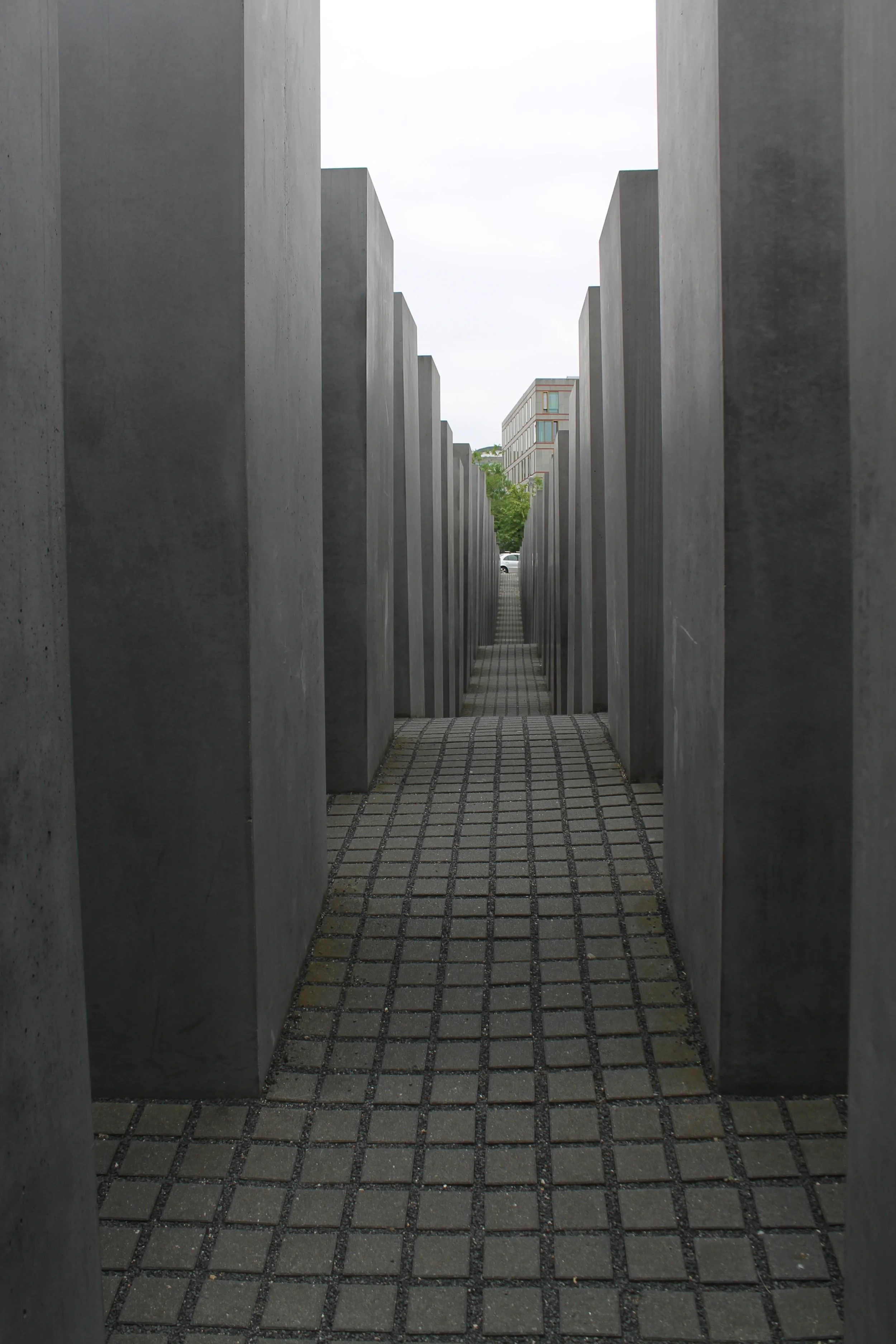
Memorial to the Murdered Jews of Europe in Berlin, Germany.
The site features 2,711 concrete pillars (stelae) of varying heights arranged in a grid pattern.
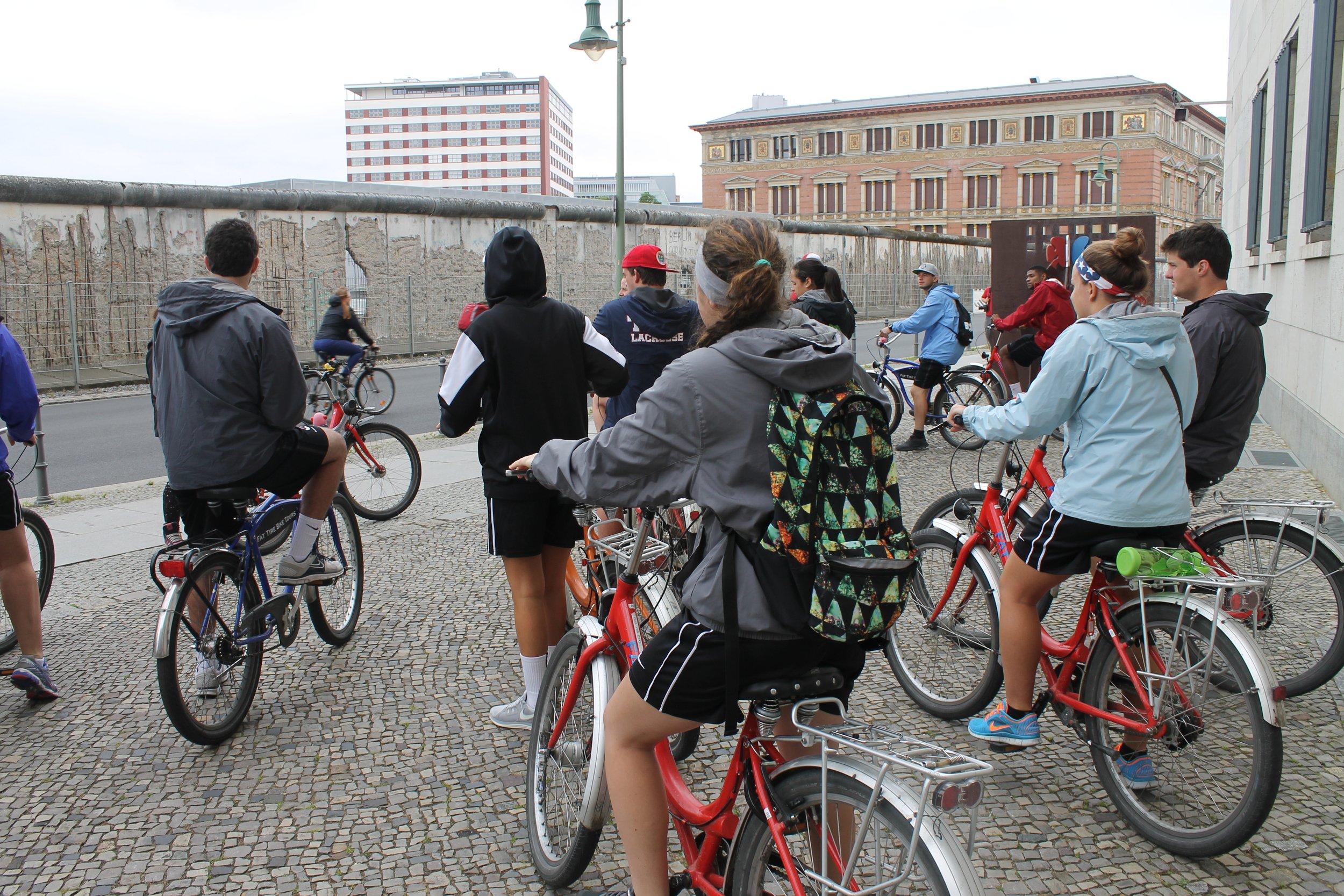
Niederkirchnerstraße: A 200-meter original section of the Berlin Wall
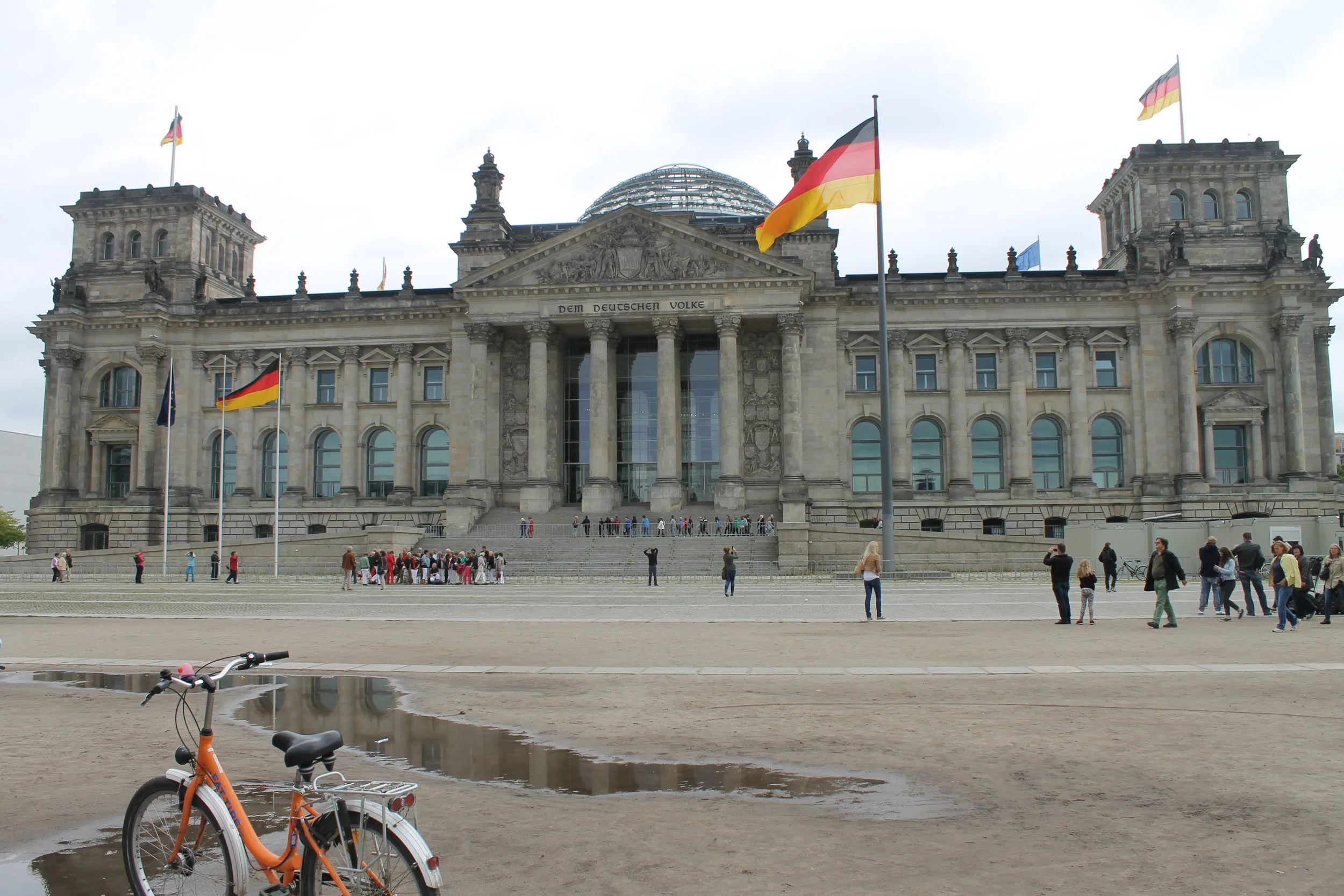
Reichstag building in Berlin, Germany, which serves as the seat of the German Bundestag (parliament).
We fueled ourselves with giant soft pretzels, currywurst, schnitzel, and more pastries than I care to admit, learning quickly that calories consumed while walking around Europe somehow didn't seem to count.
The timing of the trip made the city even more electric.
Germany was hosting watch parties for the 2014 FIFA World Cup, and on match days the entire city seemed to transform. Streets closed to traffic as thousands of people dressed head to toe in black, red, and gold gathered beneath enormous projection screens. Music blasted through speakers, strangers celebrated together, and every goal felt like it shook the entire city. I'd never experienced anything quite like it.
Even the daylight felt different.
Back home, a night out ended in darkness. In Berlin we'd leave the hostel around ten at night, spend hours in bars or clubs, and stumble back toward the hostel sometime around three or four in the morning only to find the sky already glowing with the first light of sunrise. Thankfully, whoever designed the hostel had the foresight to install blackout curtains.
The tournaments themselves were unlike anything I had ever experienced.
When I pictured international competition, I imagined Team USA lining up across from Team Germany or Team Switzerland. In reality, it was far more interesting than that.
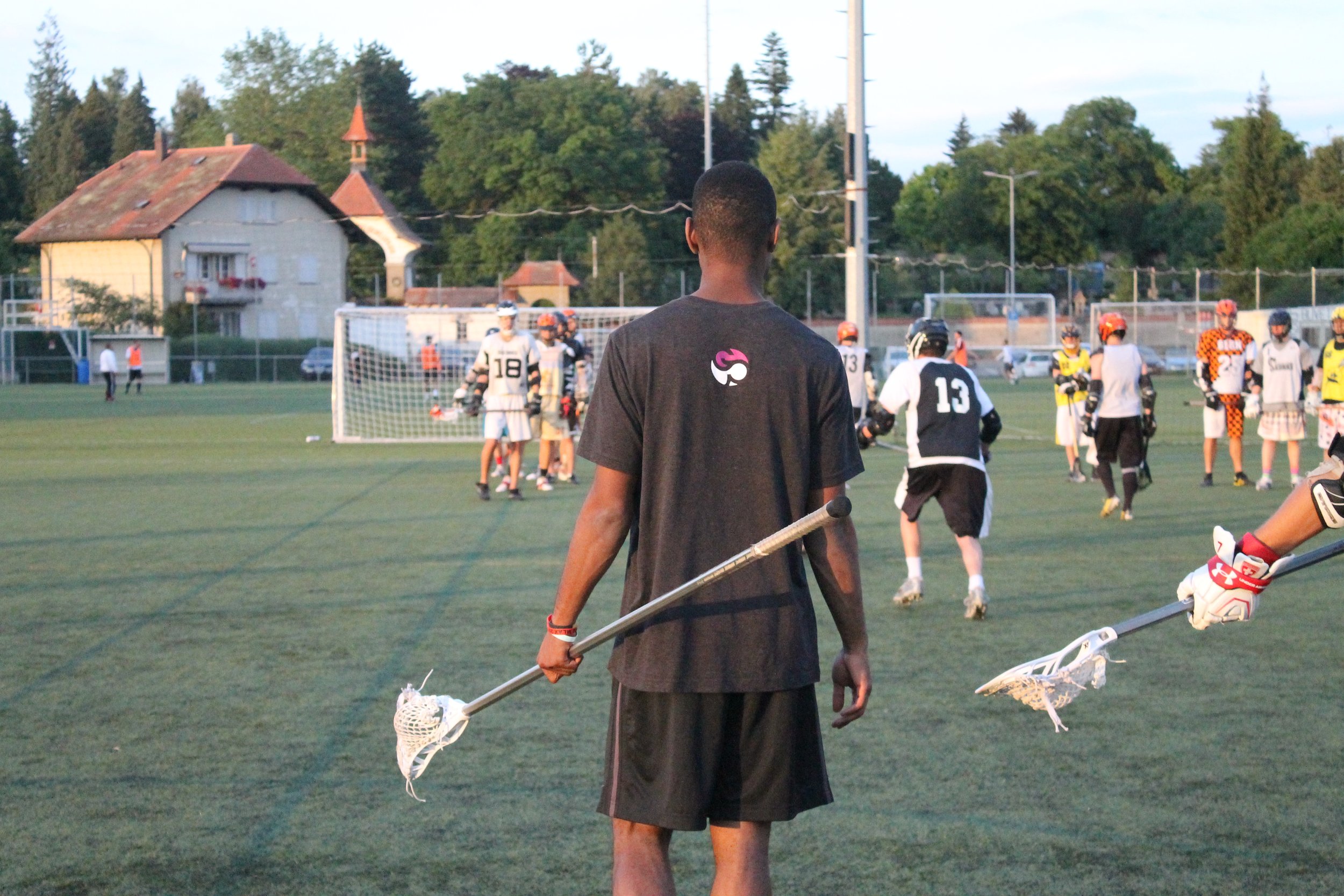
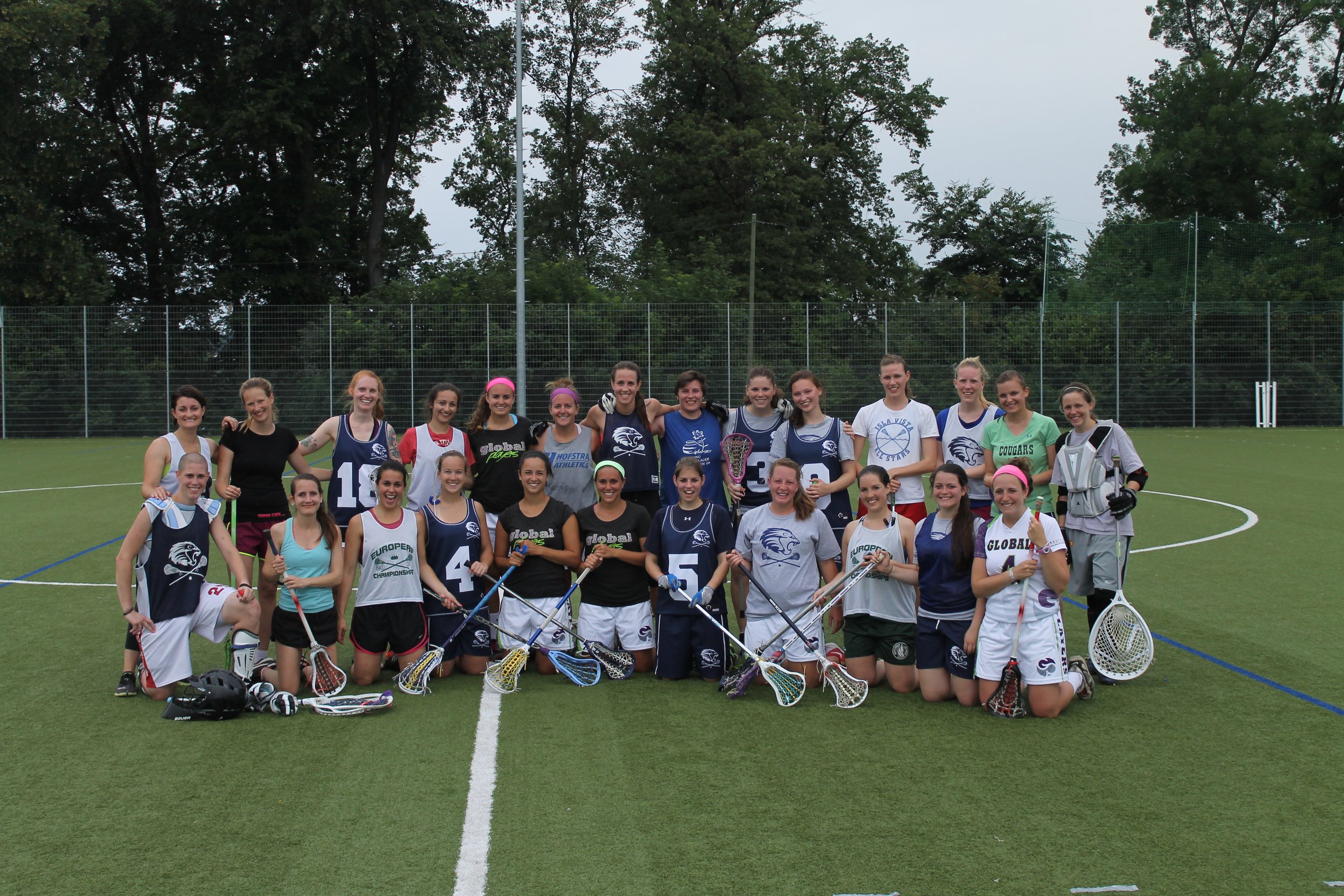
While many countries fielded their own national or regional teams, Global Players wasn't built that way. We weren't one American team traveling through Europe with a fixed roster. Throughout the tournament, local players joined us to fill open spots, meaning the teammates standing beside us during warmups were sometimes people we'd met only an hour earlier. By the end of the day, they felt like teammates we'd been playing with for years.
It was a perfect reflection of the organization's name. We weren't just competing around the world, we were competing with the world.
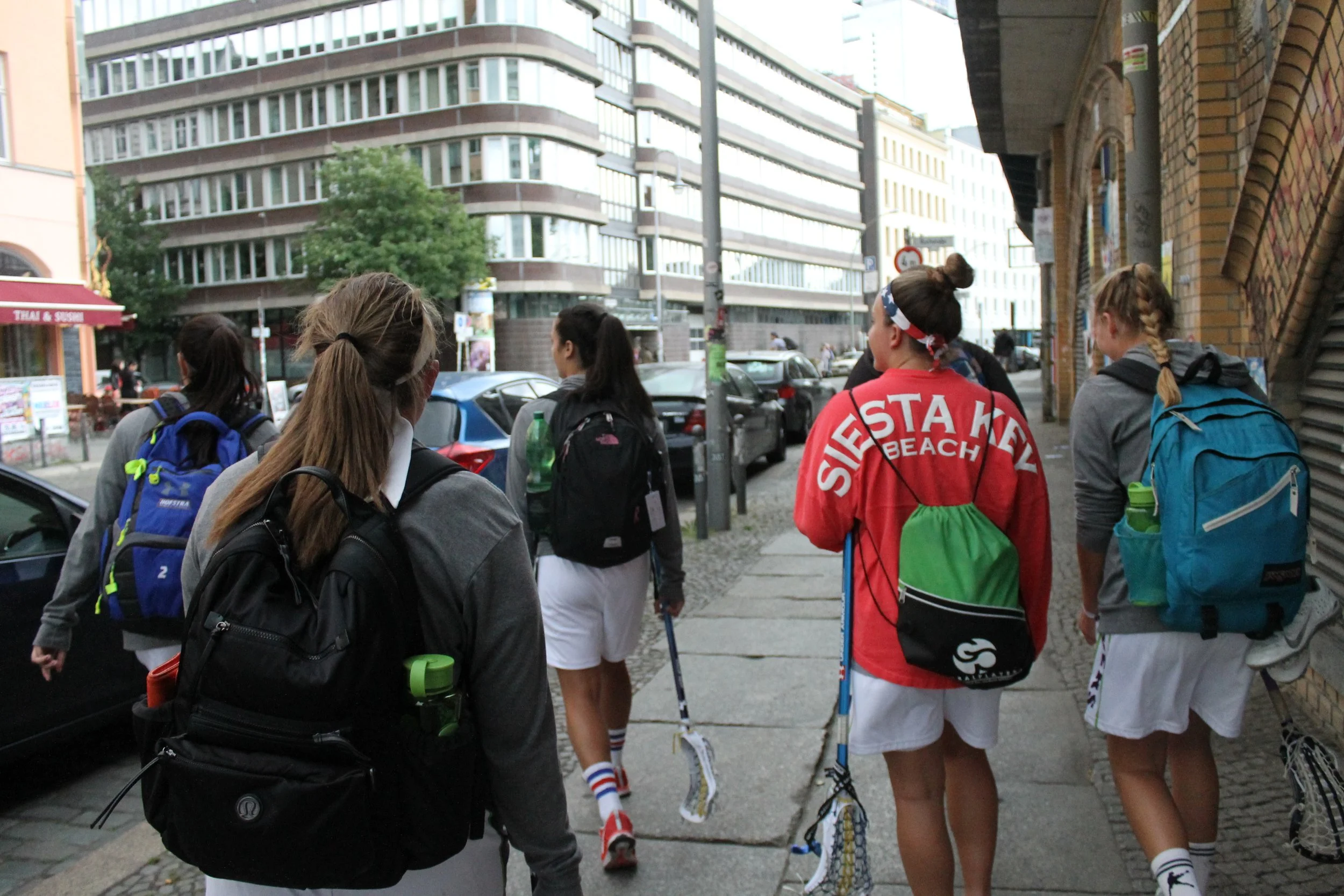
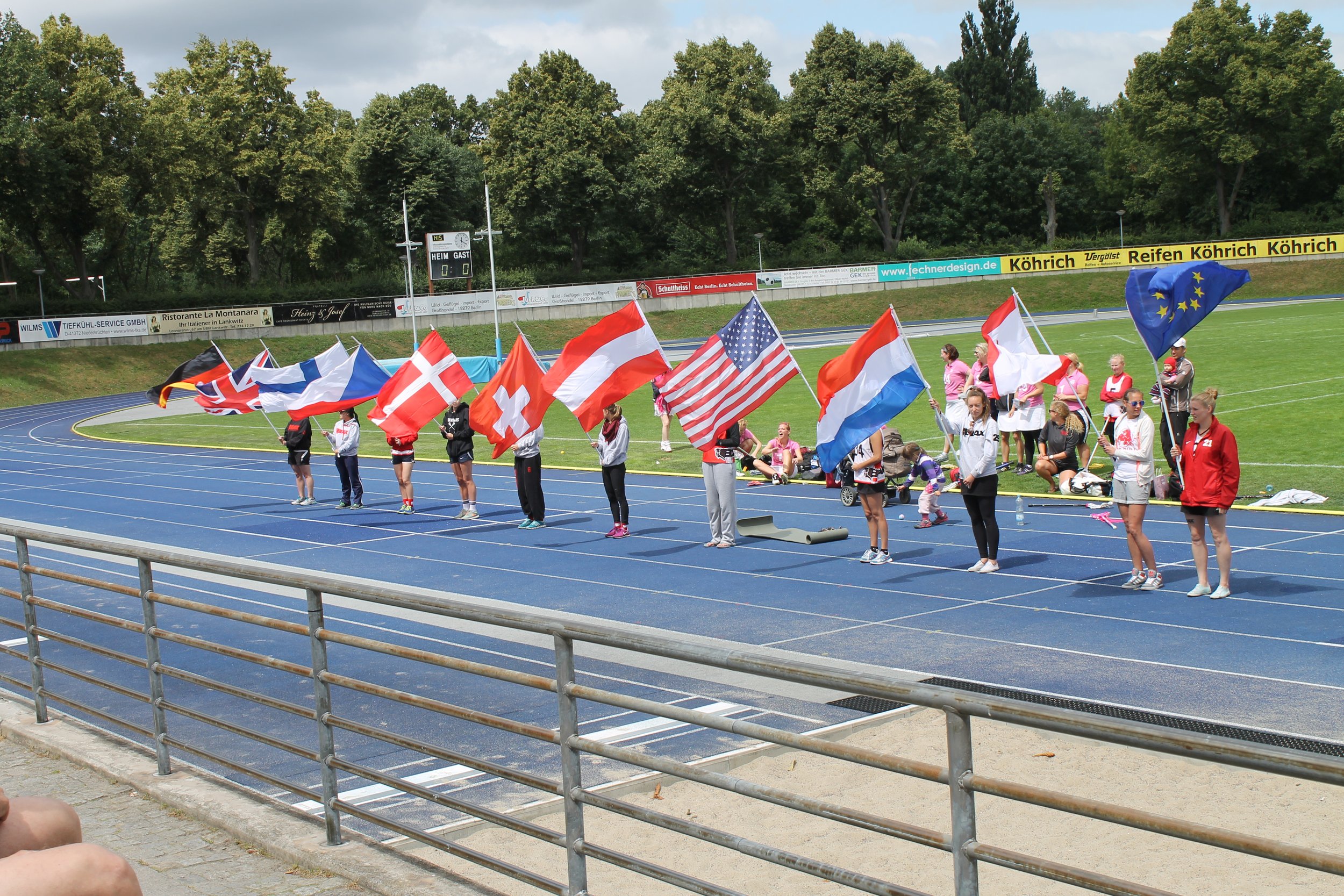
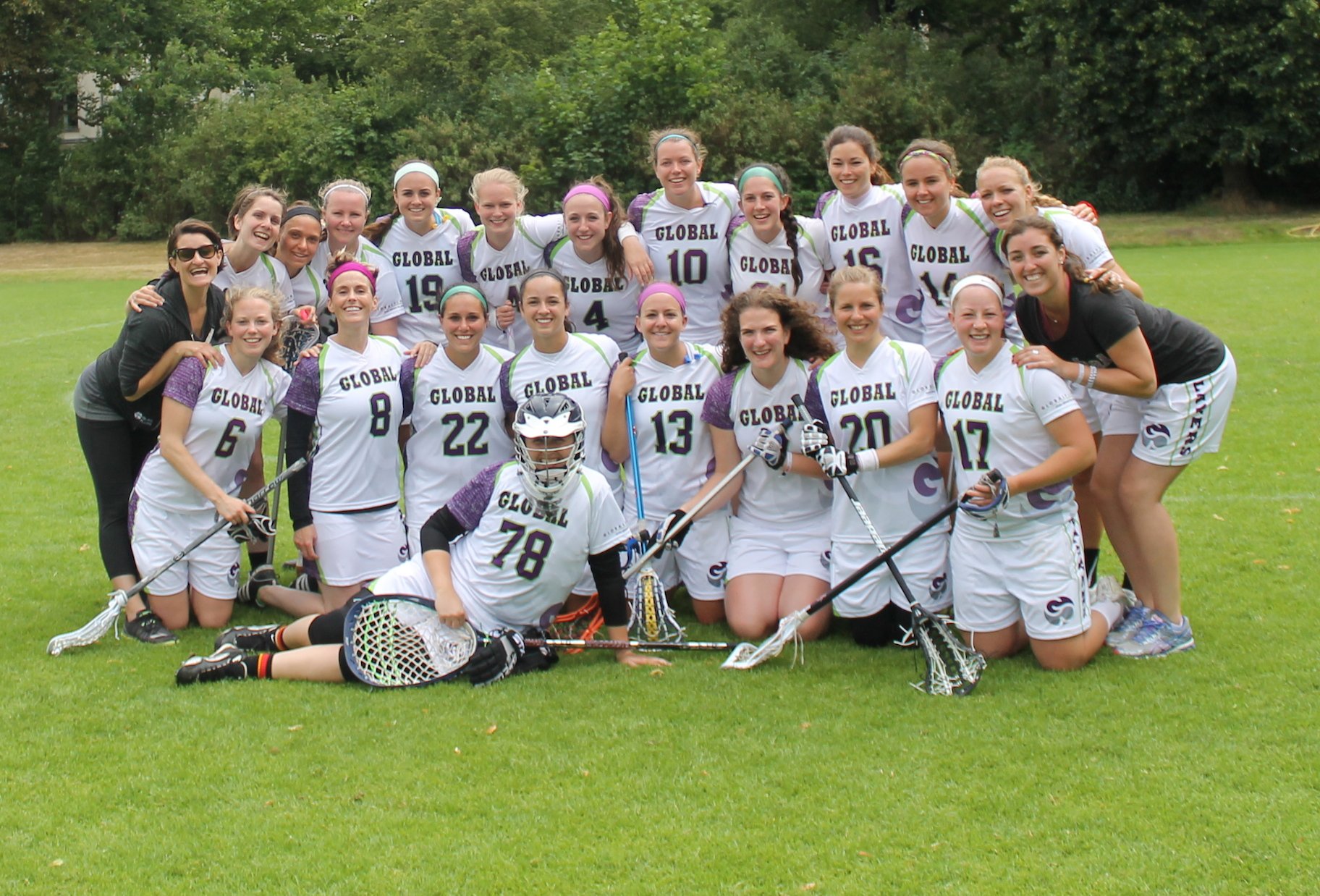
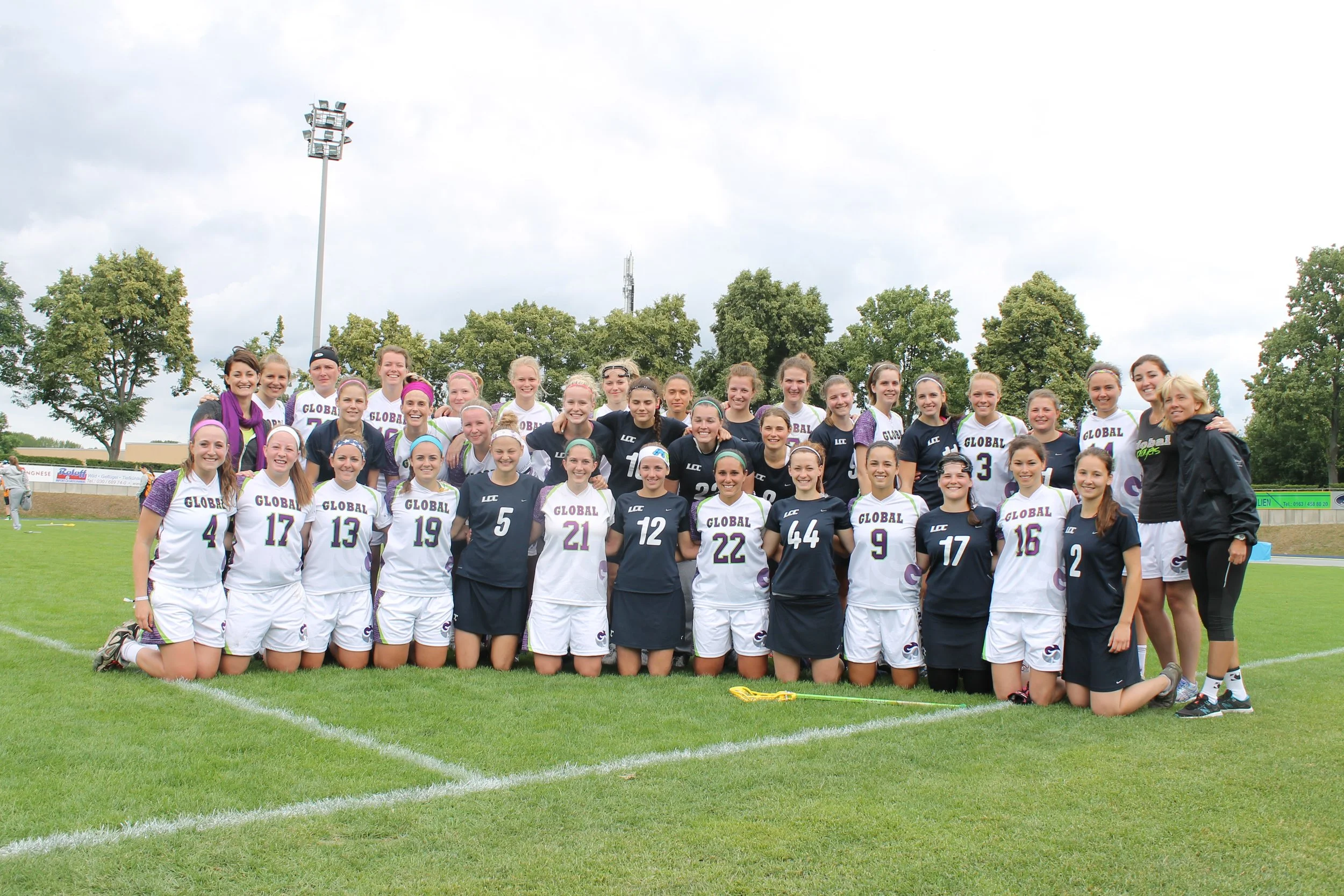
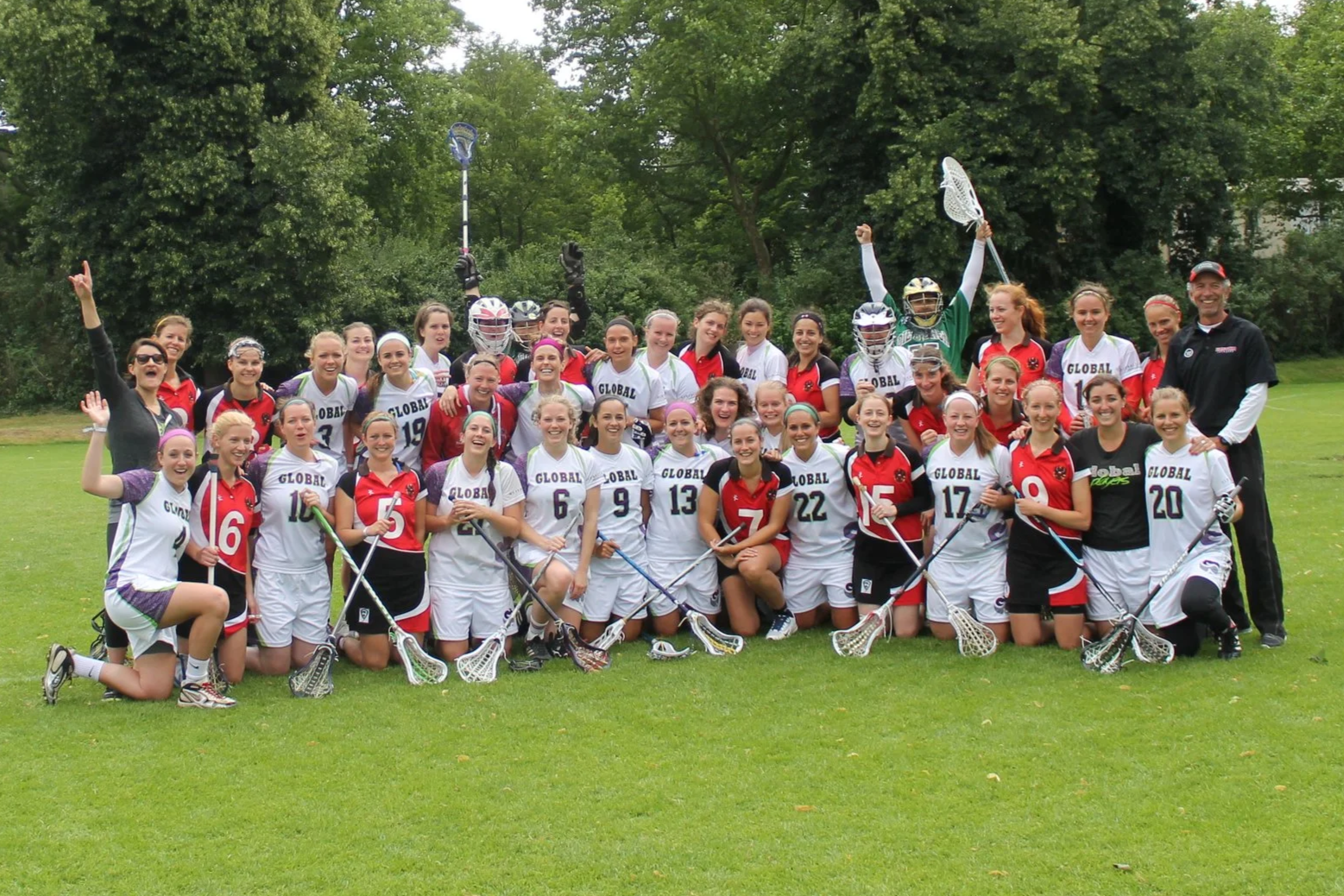
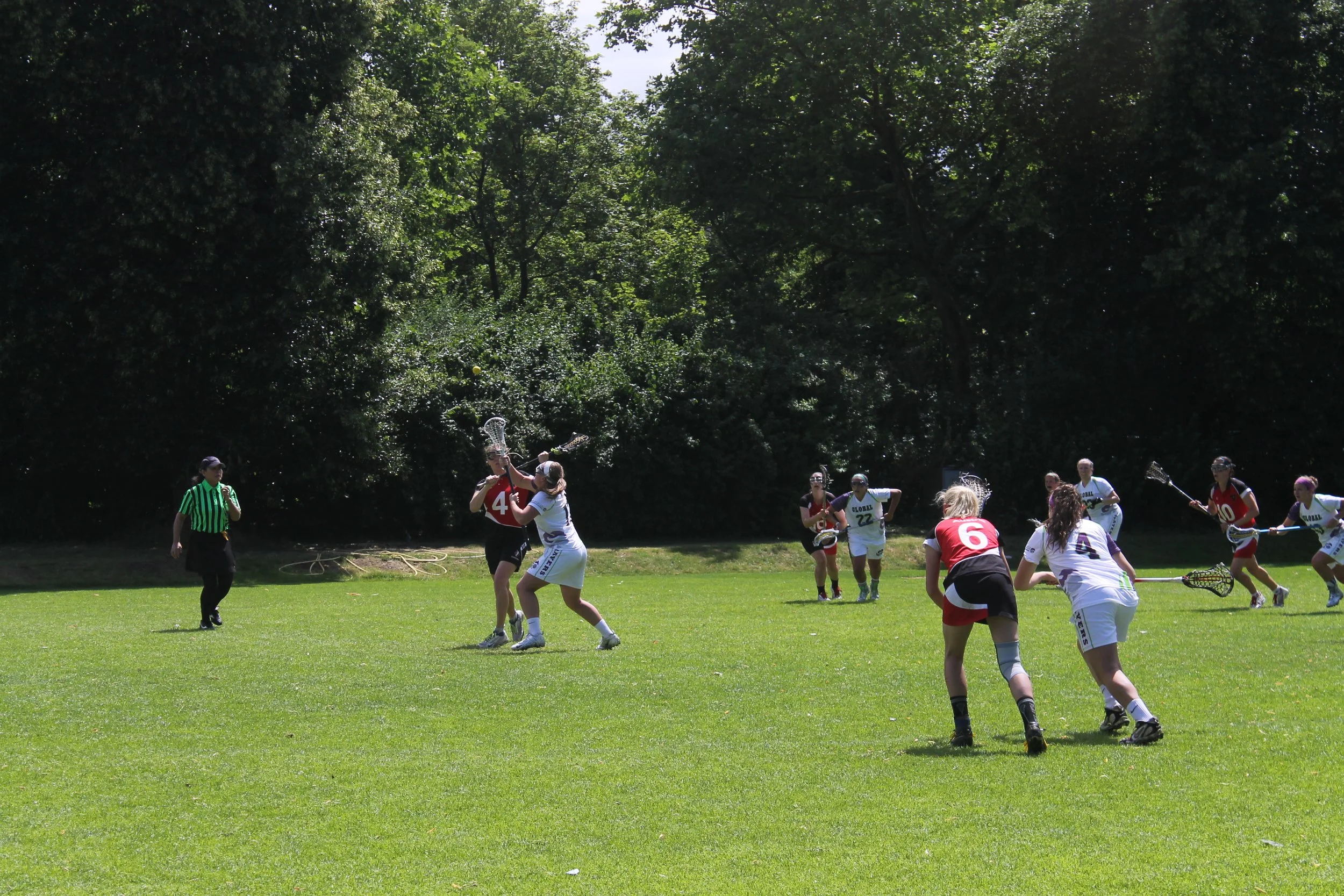
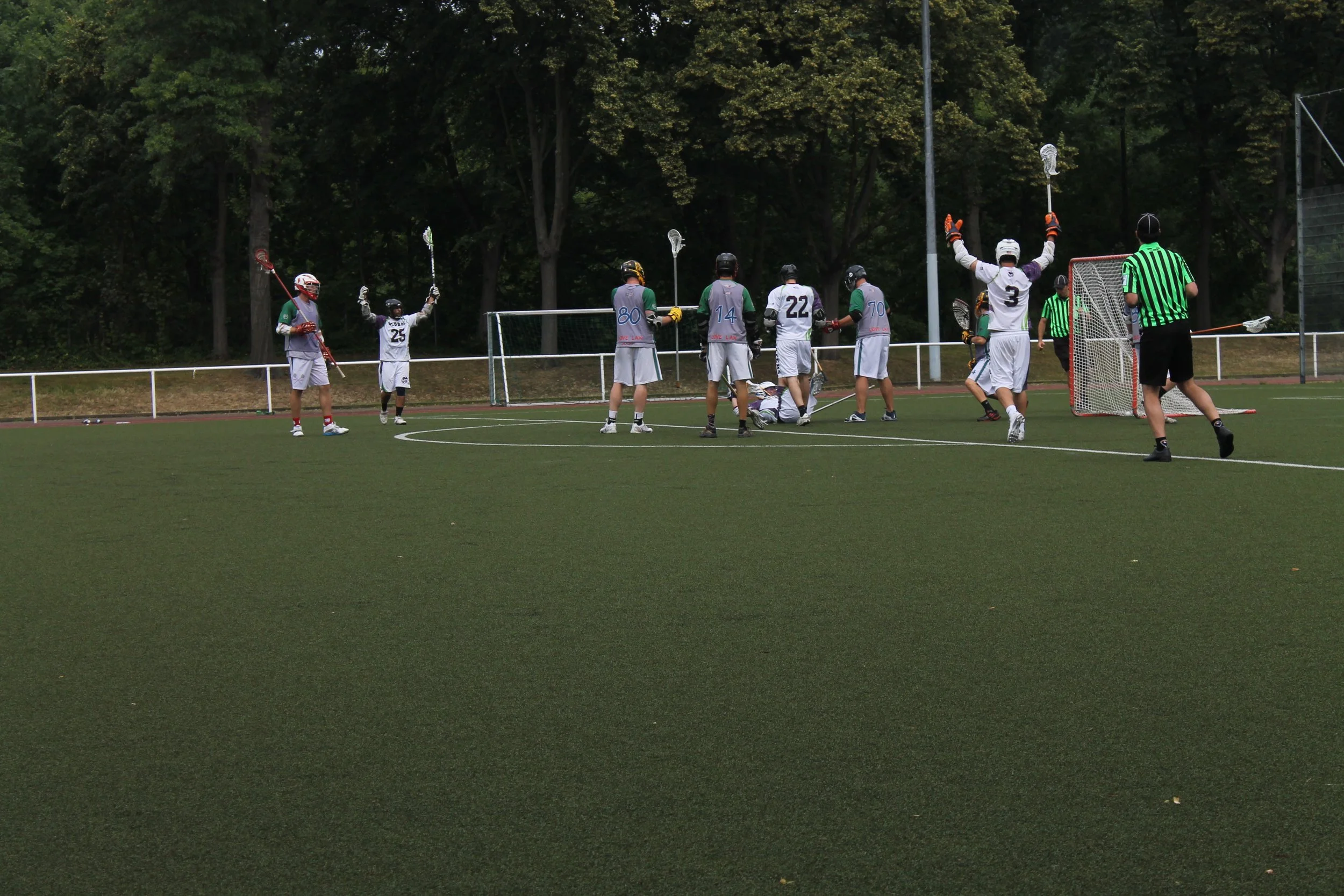
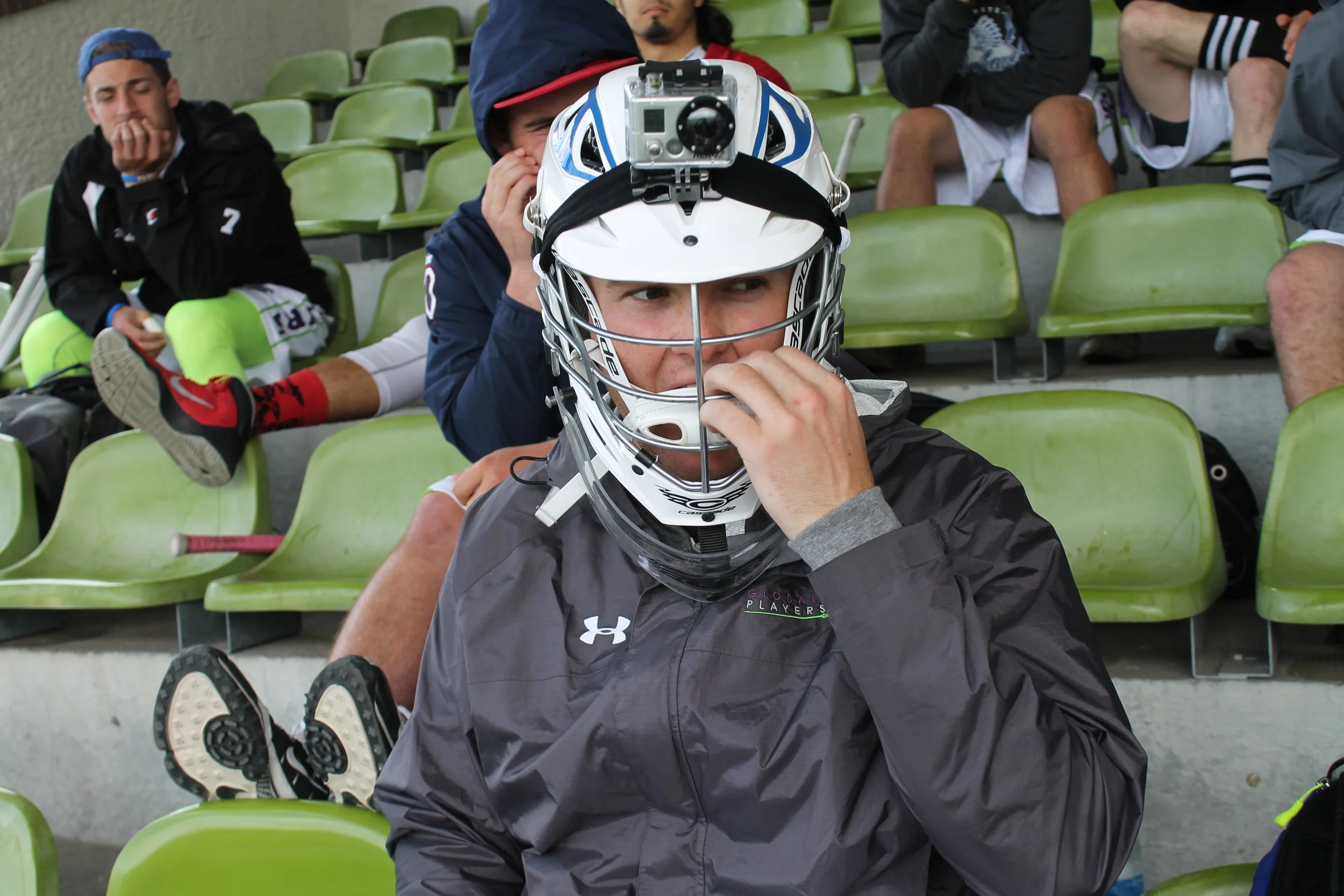
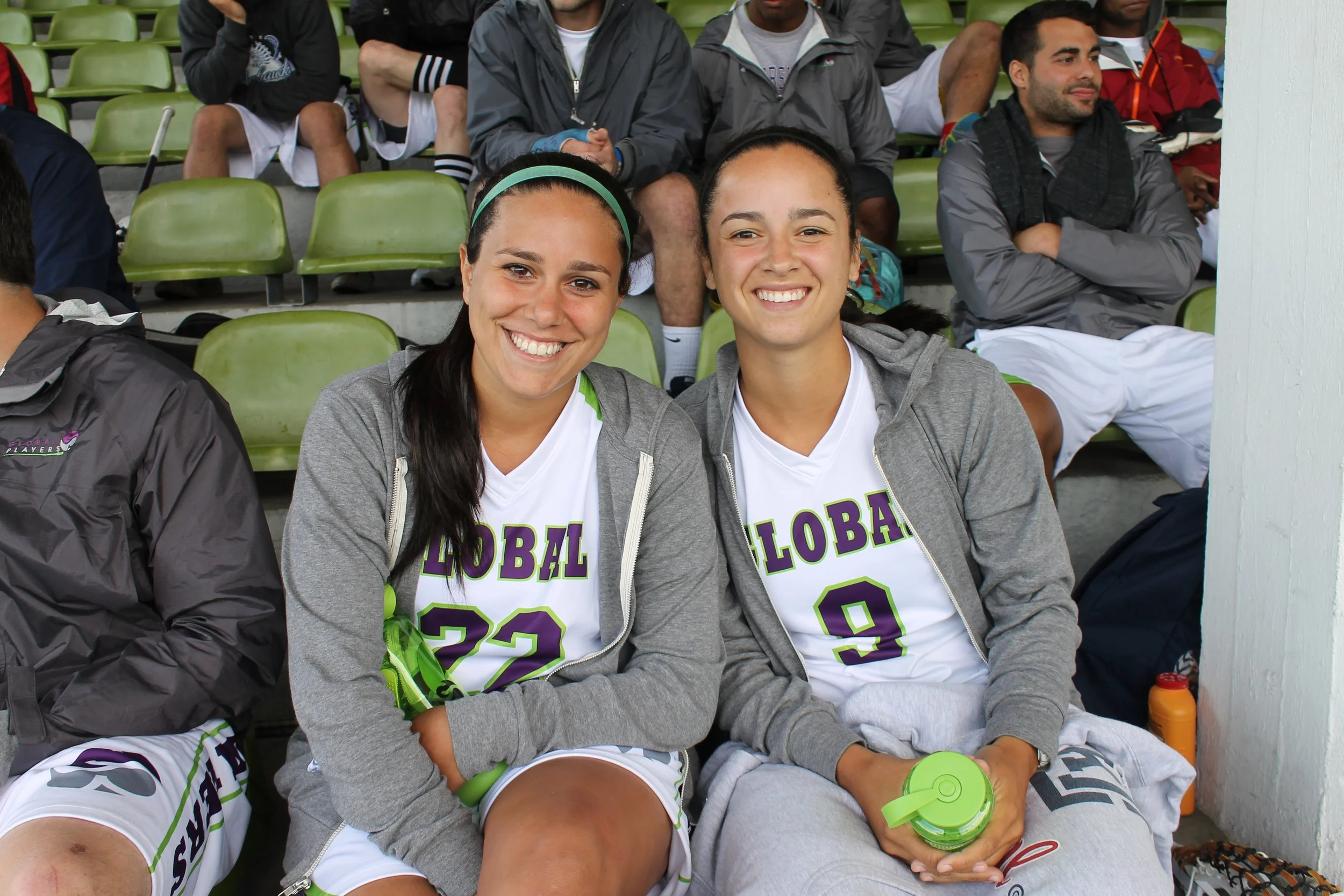
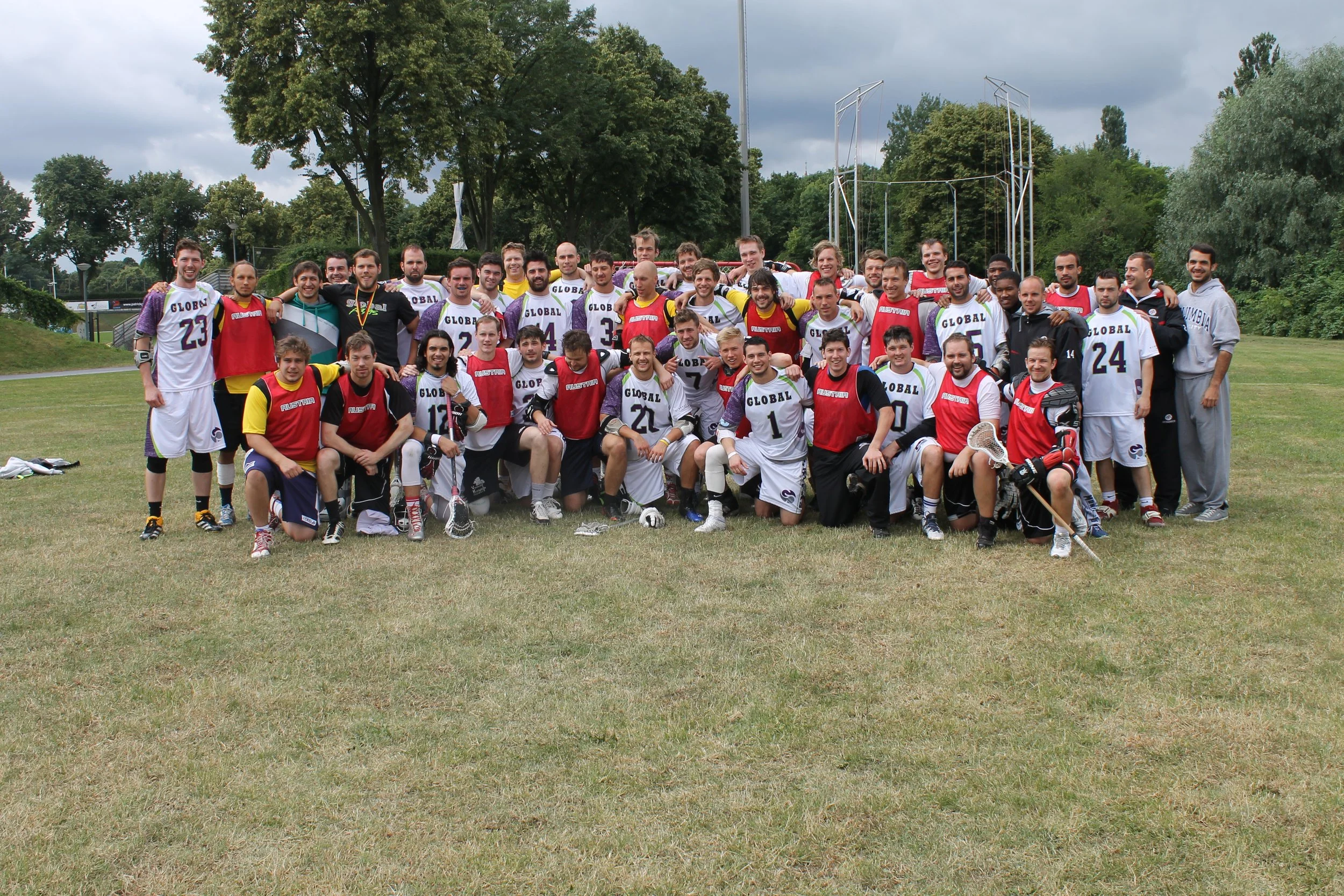
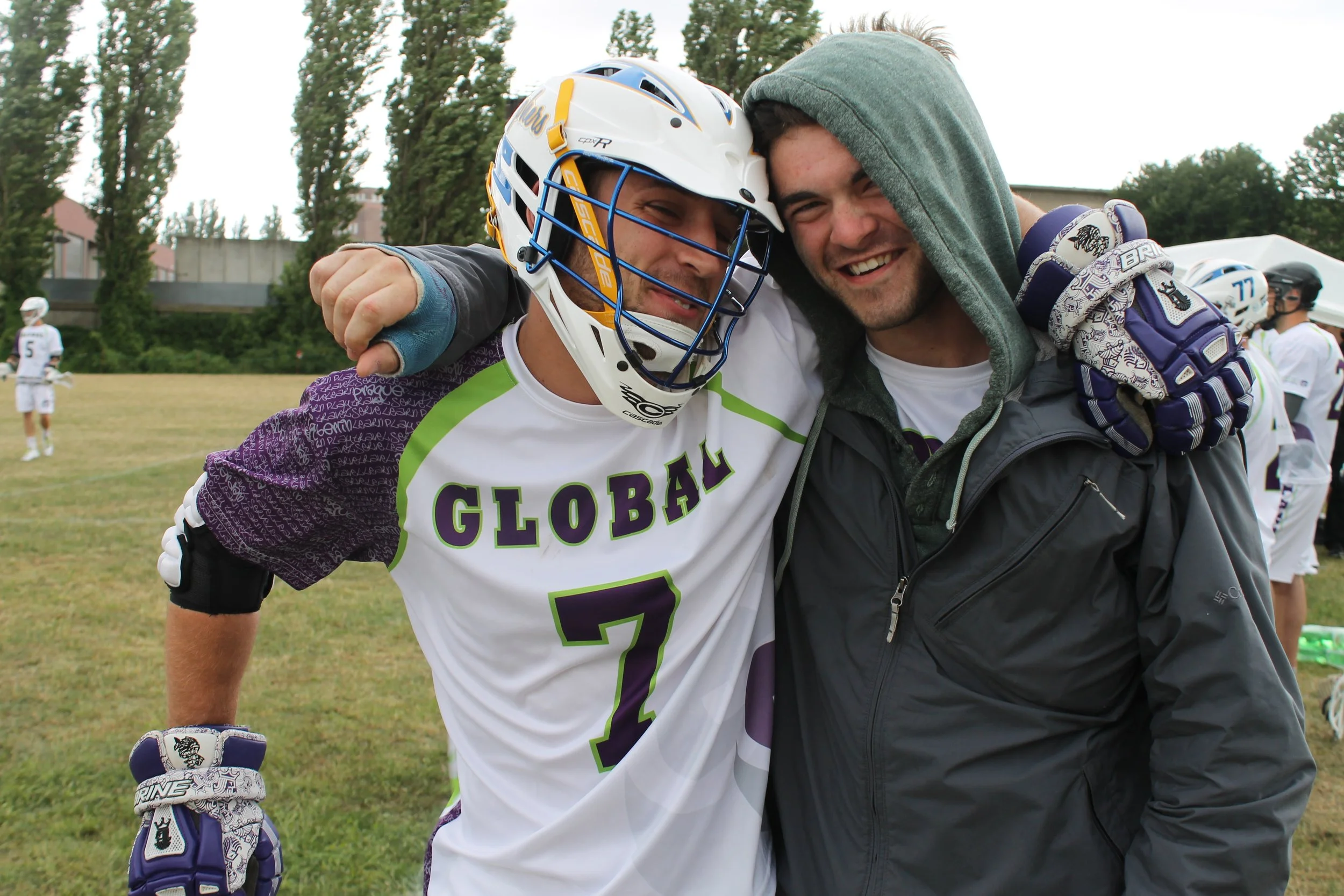
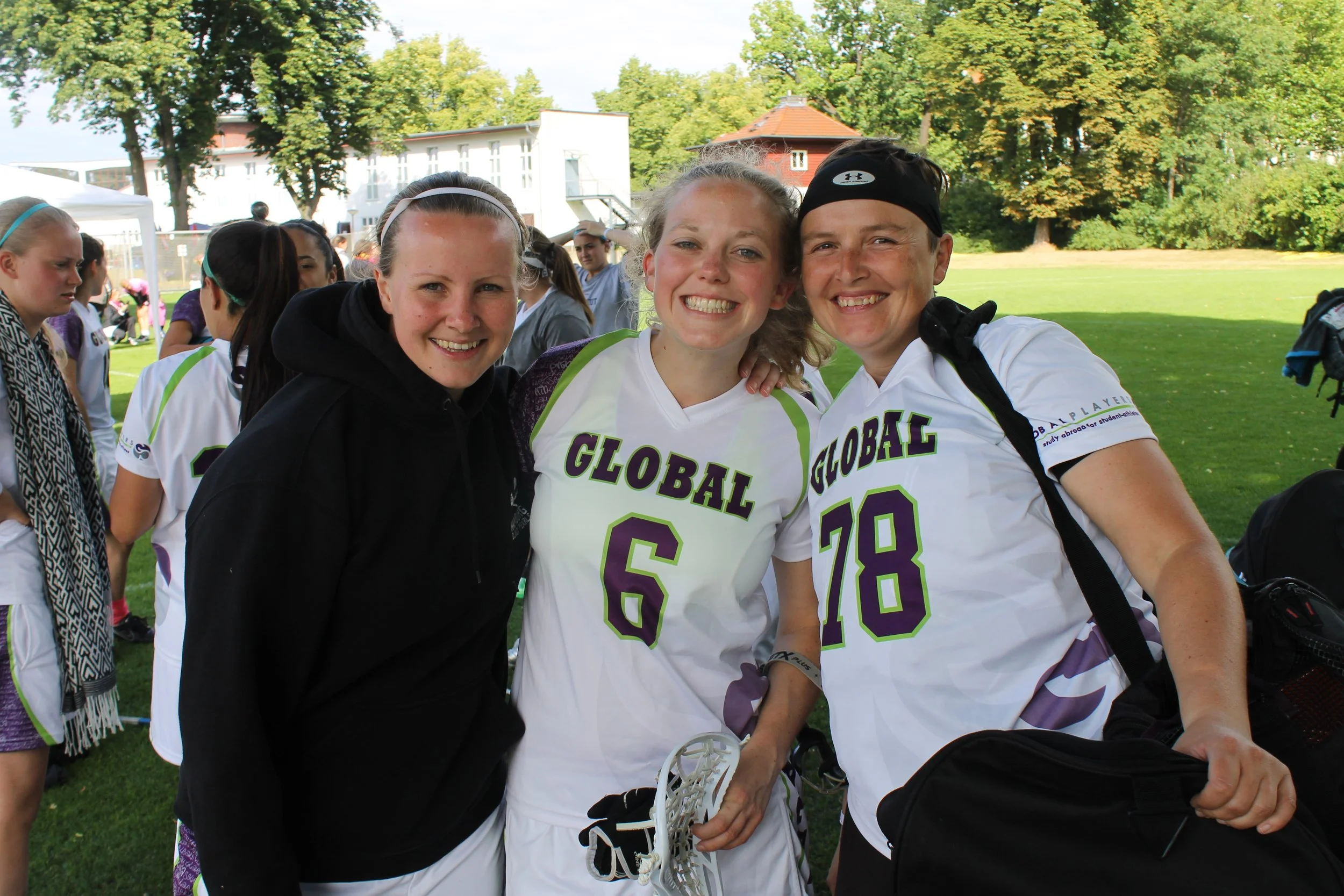

One of the things that struck me most was how quickly sport dissolved the barriers that usually separate strangers. Many of us didn't speak the same language. Conversations off the field often consisted of broken English, hand gestures, and plenty of laughter. But once the whistle blew, none of that seemed to matter. A cut to the goal, a perfectly timed pass, a nod of encouragement after a mistake, or a celebration after scoring were understood by everyone. The game itself became our common language.
That feeling extended well beyond the field.
After the final whistle, everyone returned to the hostel together. National teams that had spent the afternoon competing against one another now shared meals, traded jerseys, compared stories, and stayed out celebrating late into the night. Within a matter of days, it became difficult to remember who had grown up where. We arrived wearing different uniforms and representing different countries, but we left Germany feeling like one community connected by a game that most of the world had barely even heard of.
Looking back, that may have been my first real lesson in travel. People don't have to speak the same language to understand one another. Sometimes all it takes is a shared experience, a little curiosity, and something you're both passionate about.
After a couple of weeks, our paths diverged. The field hockey program continued on to its next destination while the men's and women's lacrosse groups packed up and headed for Switzerland.
The second half of the trip felt like an entirely different adventure.
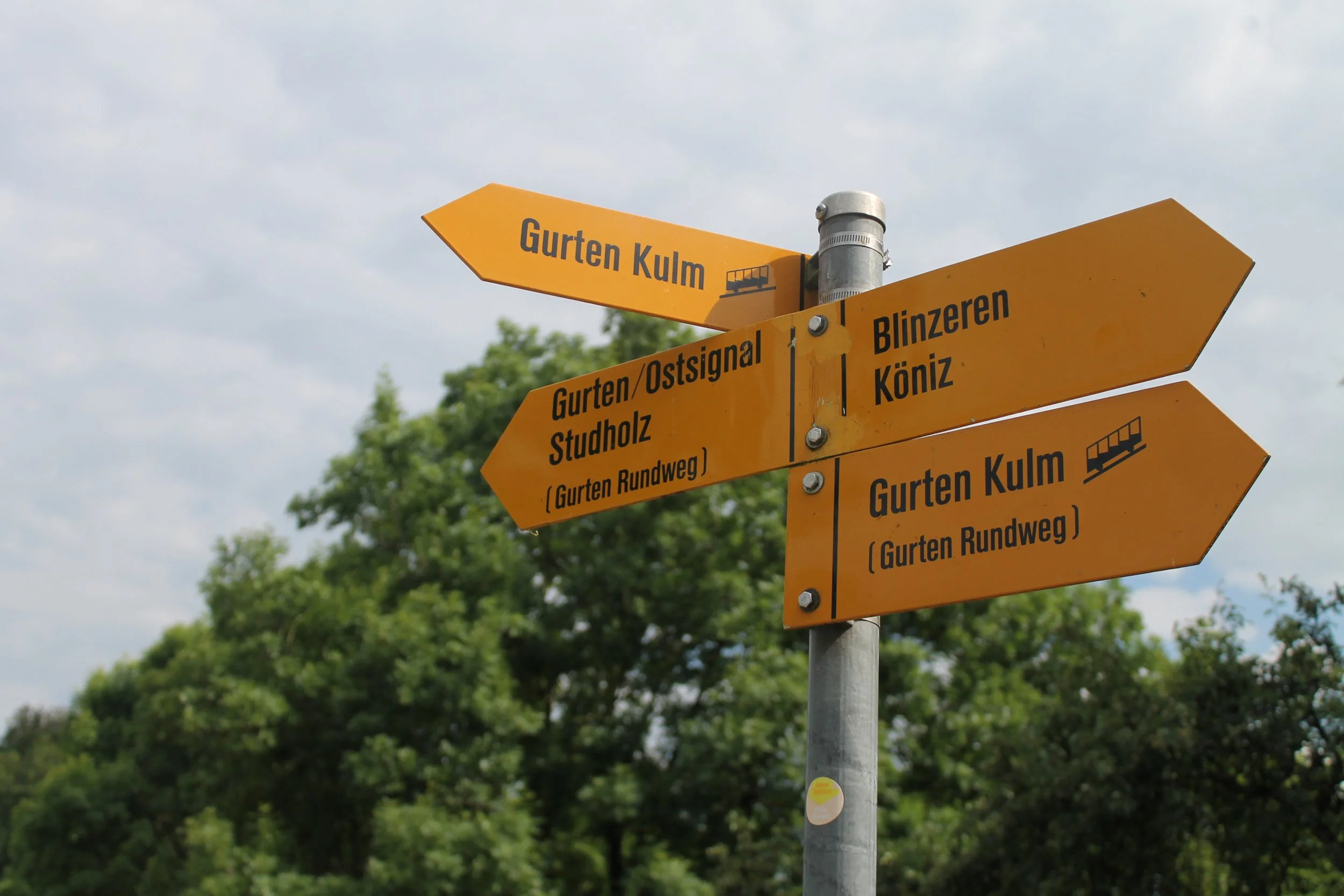
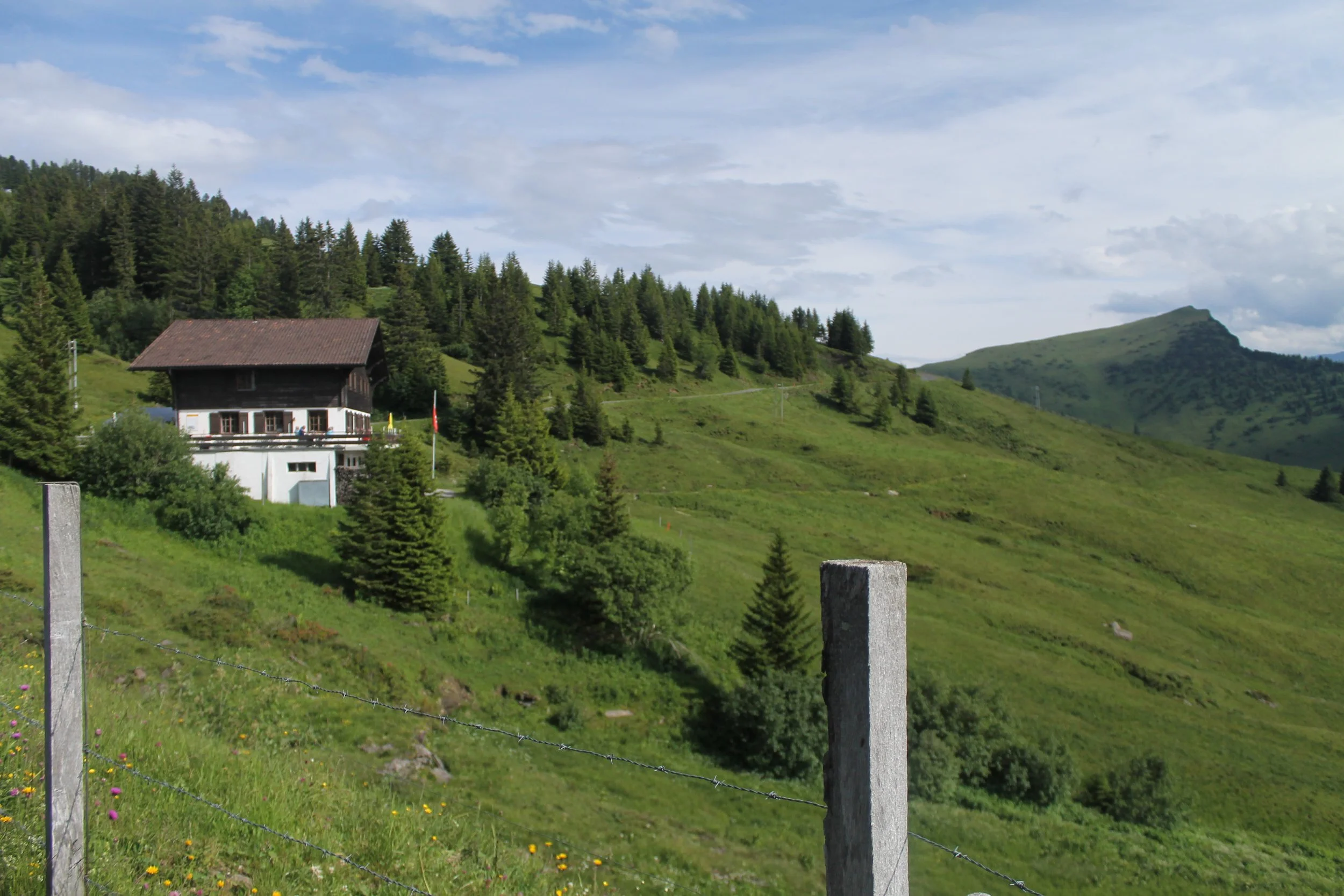
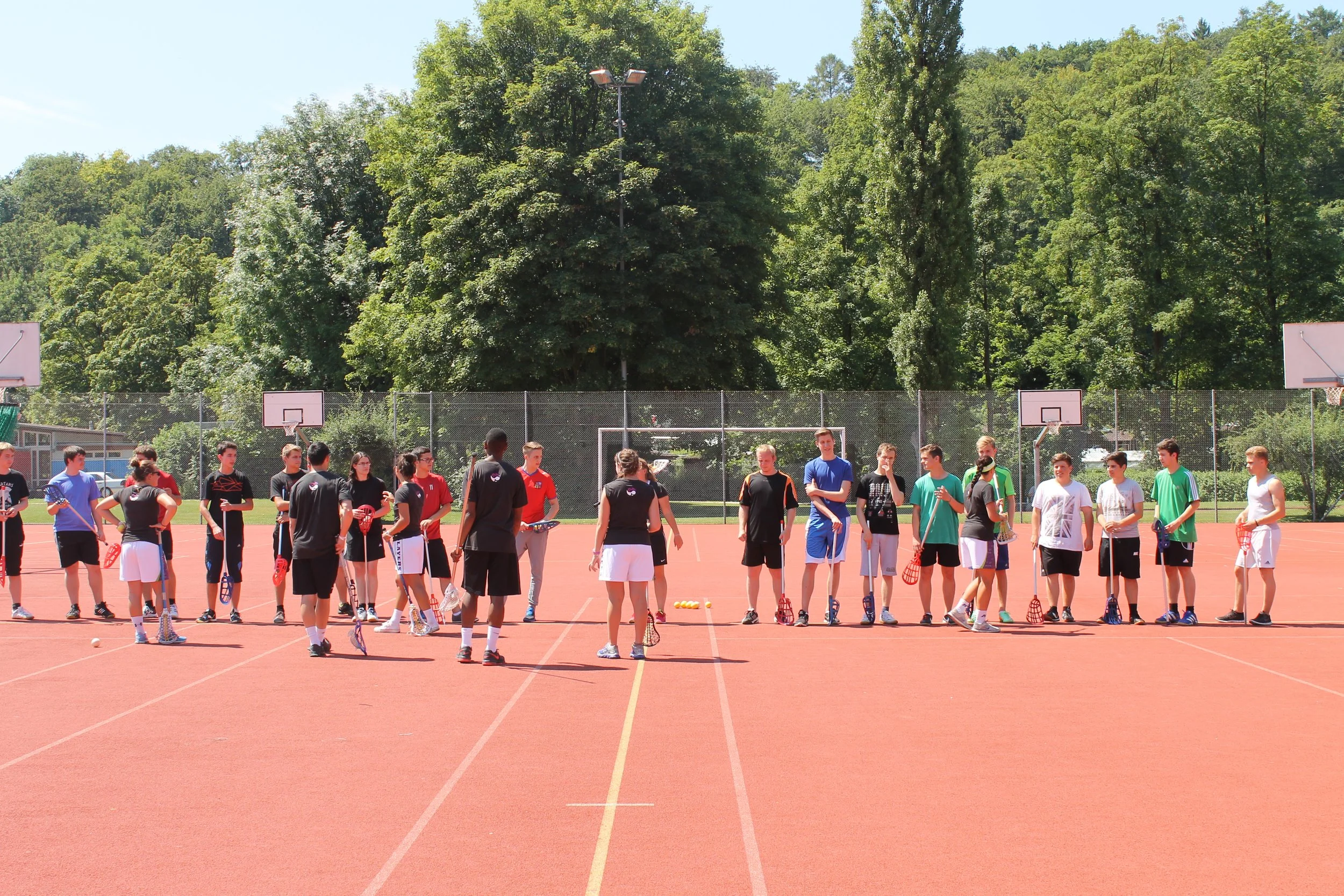
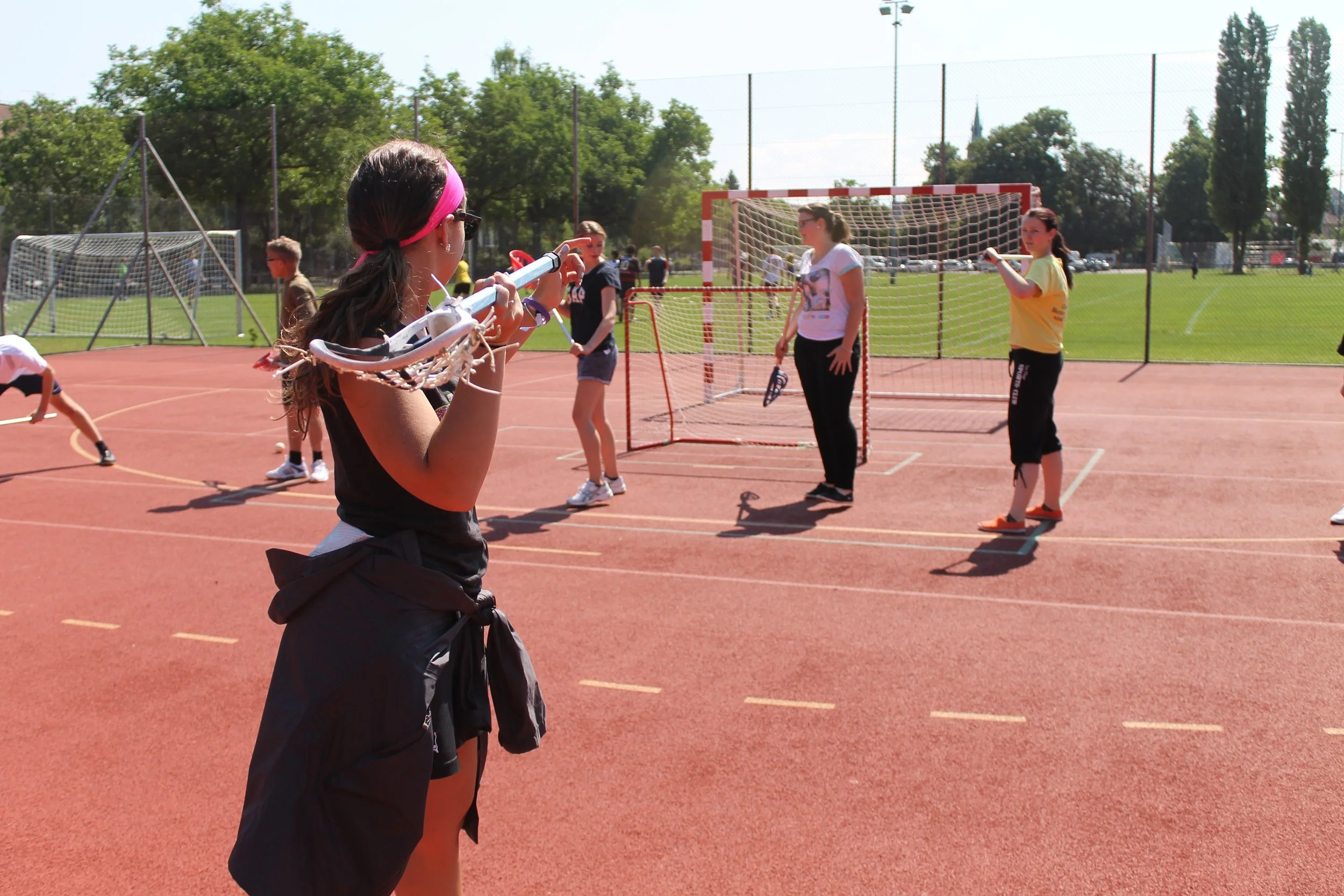
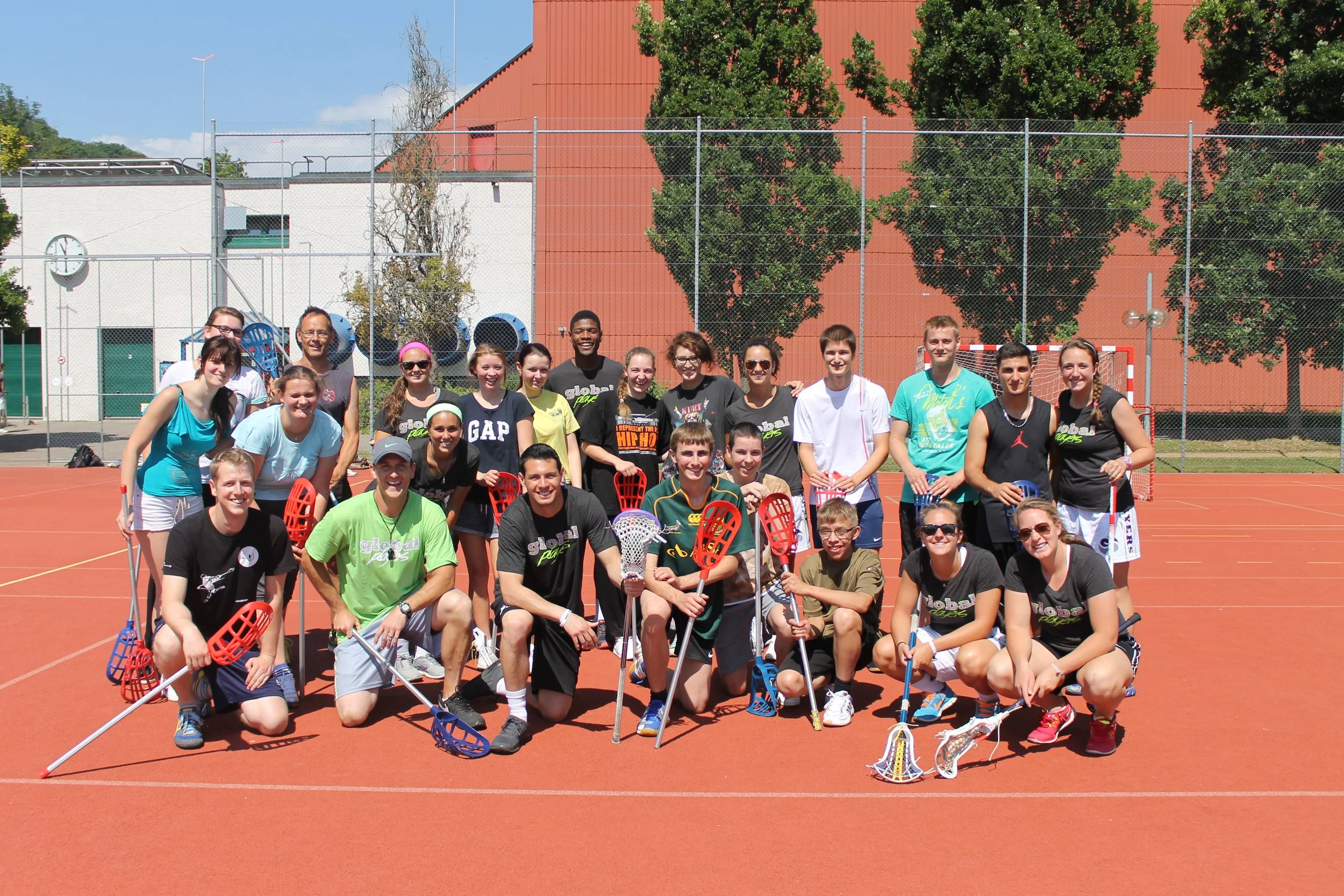
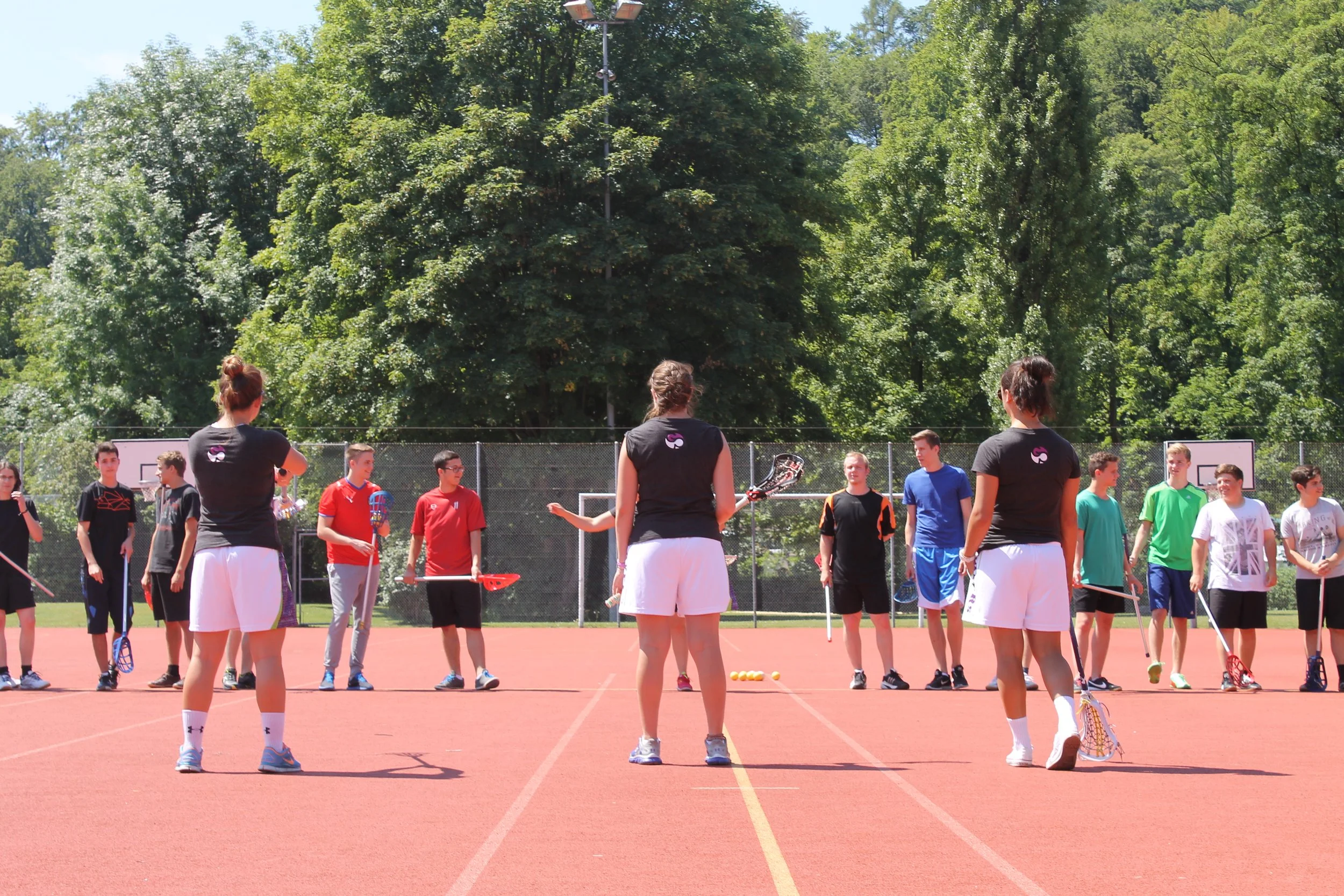
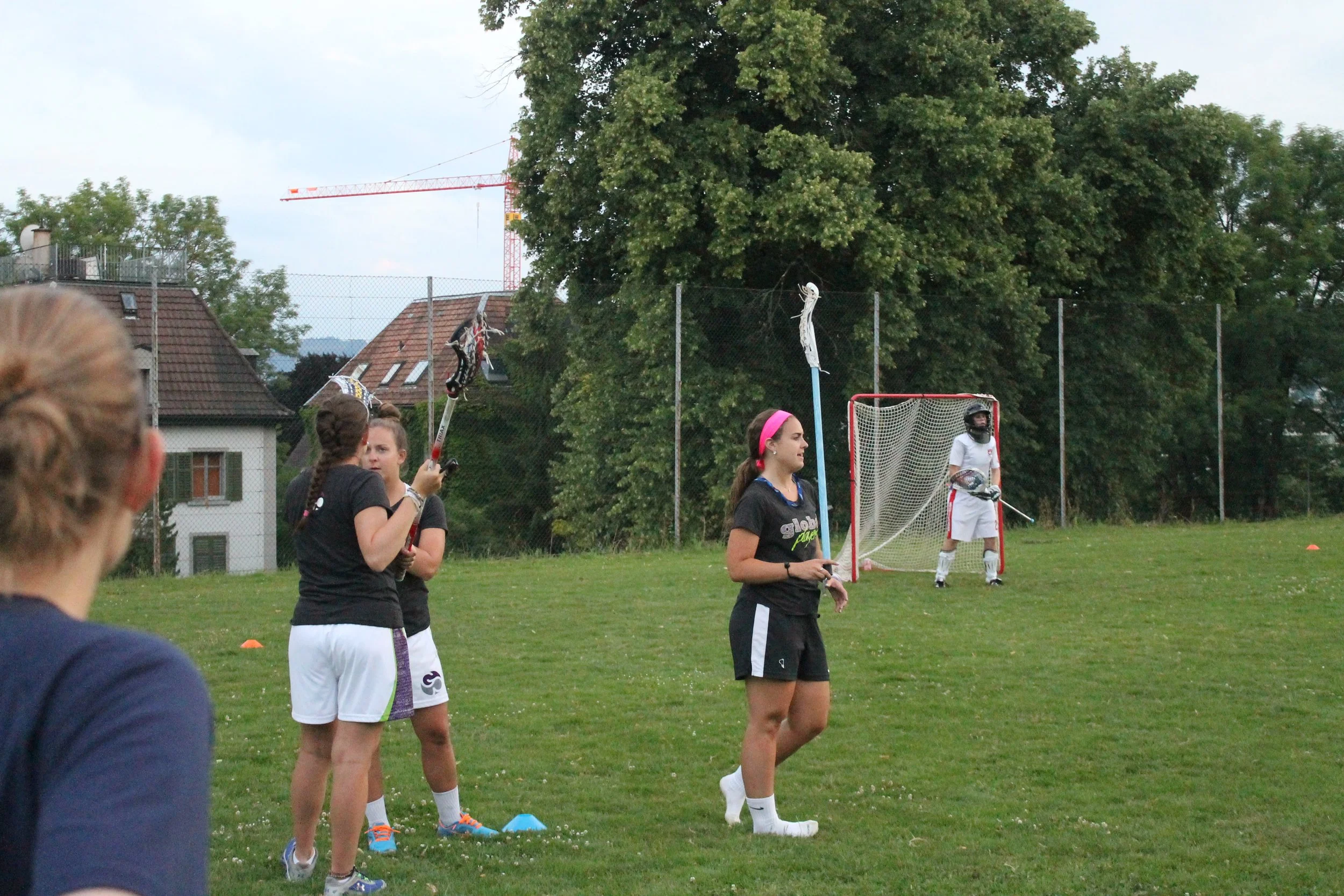
We traded tournament fields for teaching clinics, traveling across Switzerland to introduce and grow the game of lacrosse. One day we'd be coaching on blacktop courts in the middle of a city. The next we'd find ourselves on a small field tucked into the mountains, surrounded by peaks that looked too beautiful to be real.
Switzerland looked exactly how I had imagined a storybook country would.
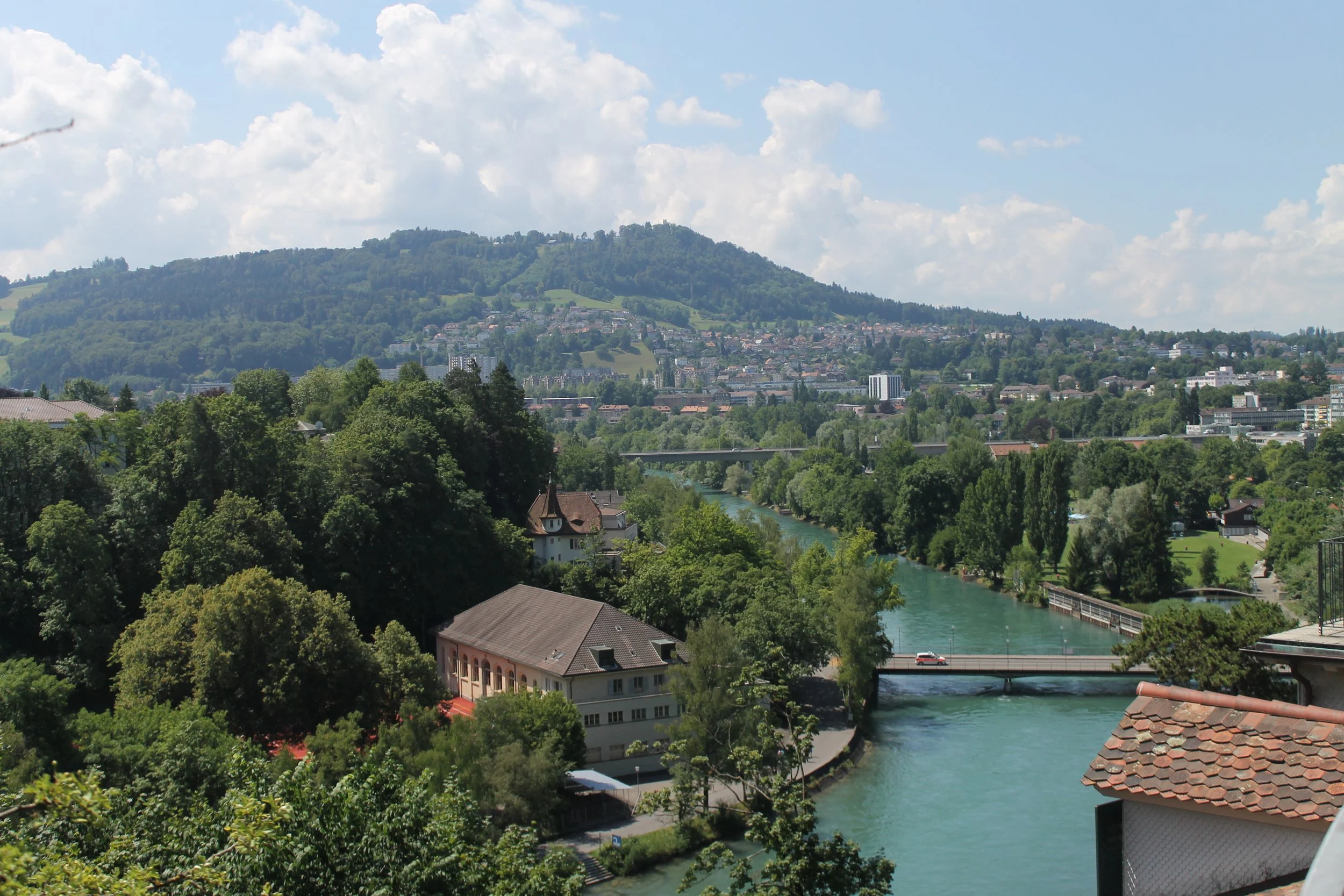
Every city seemed impossibly clean. Decorative fountains lined the streets, each one flowing with crisp drinking water straight from the Alps. Medieval architecture sat beneath snowcapped mountains that seemed to rise directly out of town centers. Everywhere I looked felt like a postcard.
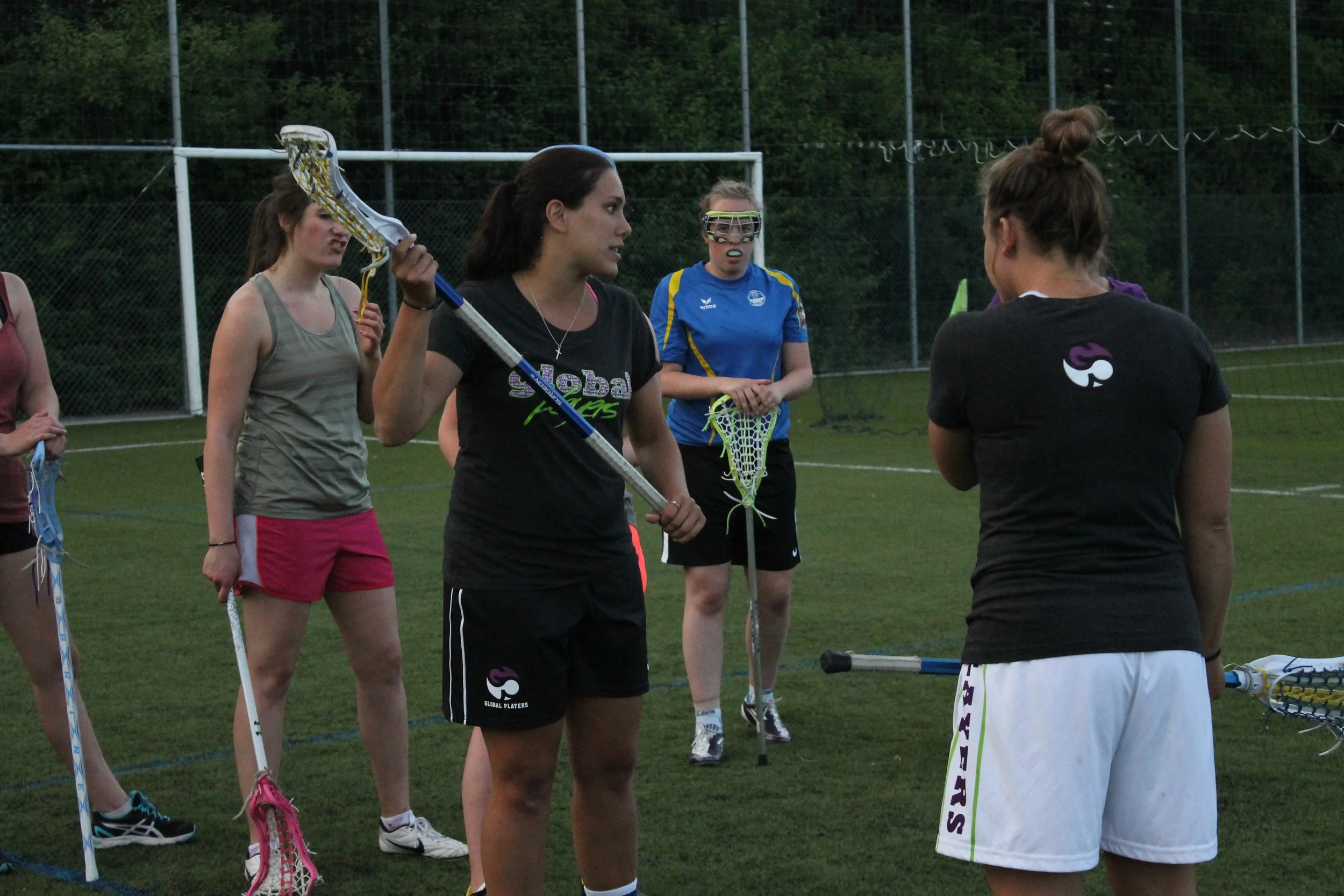
Our clinics ranged from complete beginners picking up a stick for the first time to sessions with members of the Swiss National Team. Just like in Germany, lacrosse became the universal language that connected all of us. We didn't always share spoken words, but we understood encouragement, teamwork, and the joy of a great play.
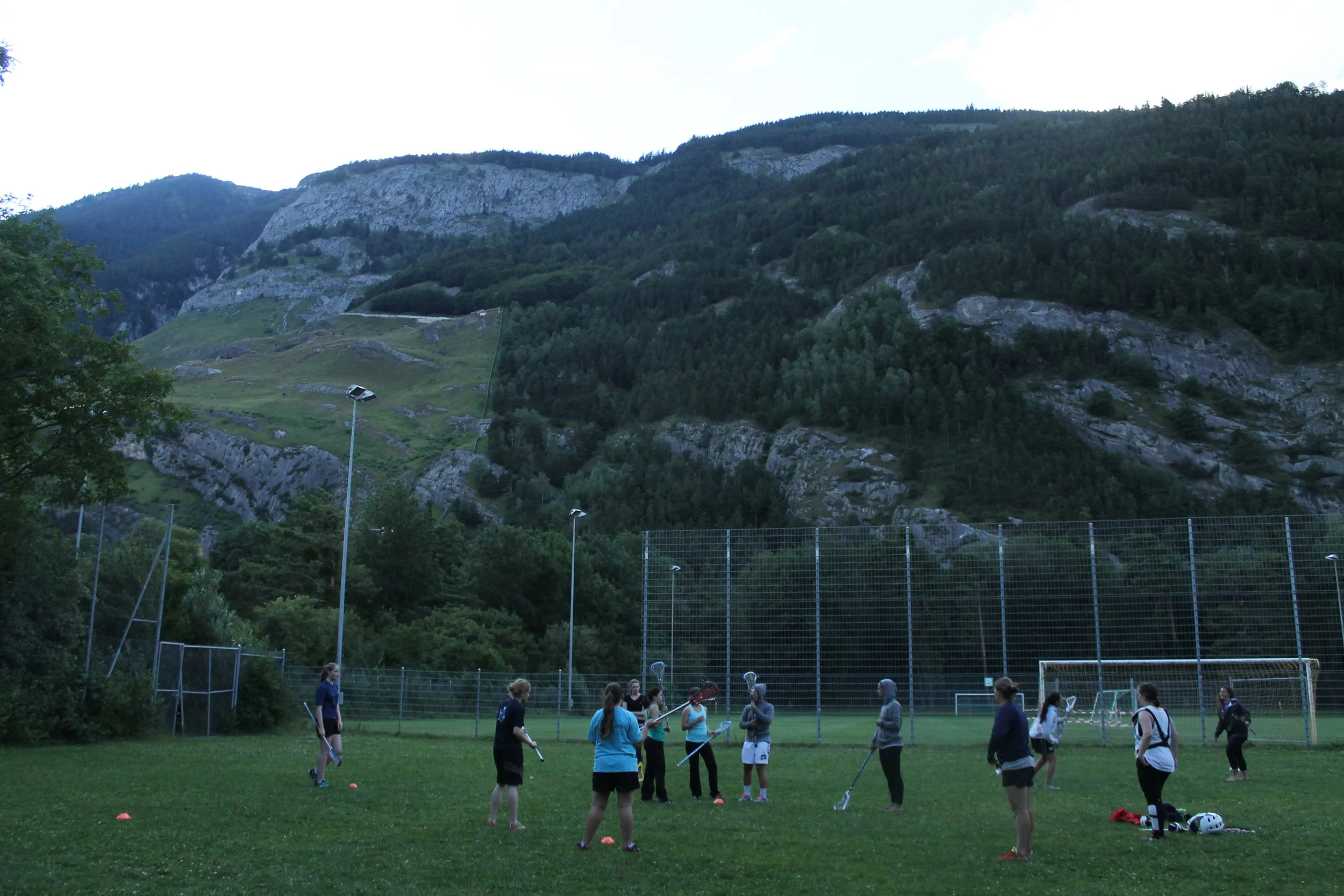
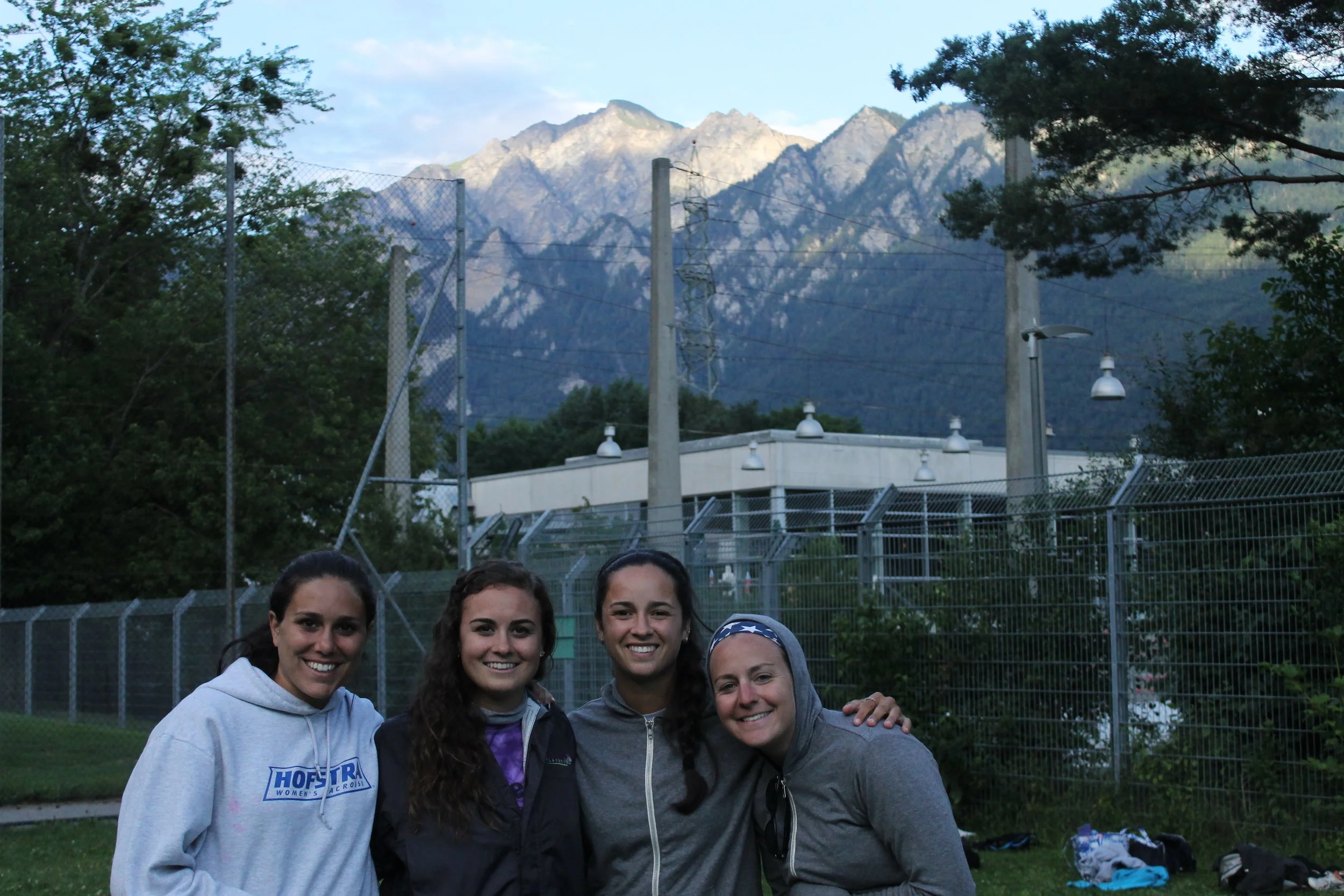
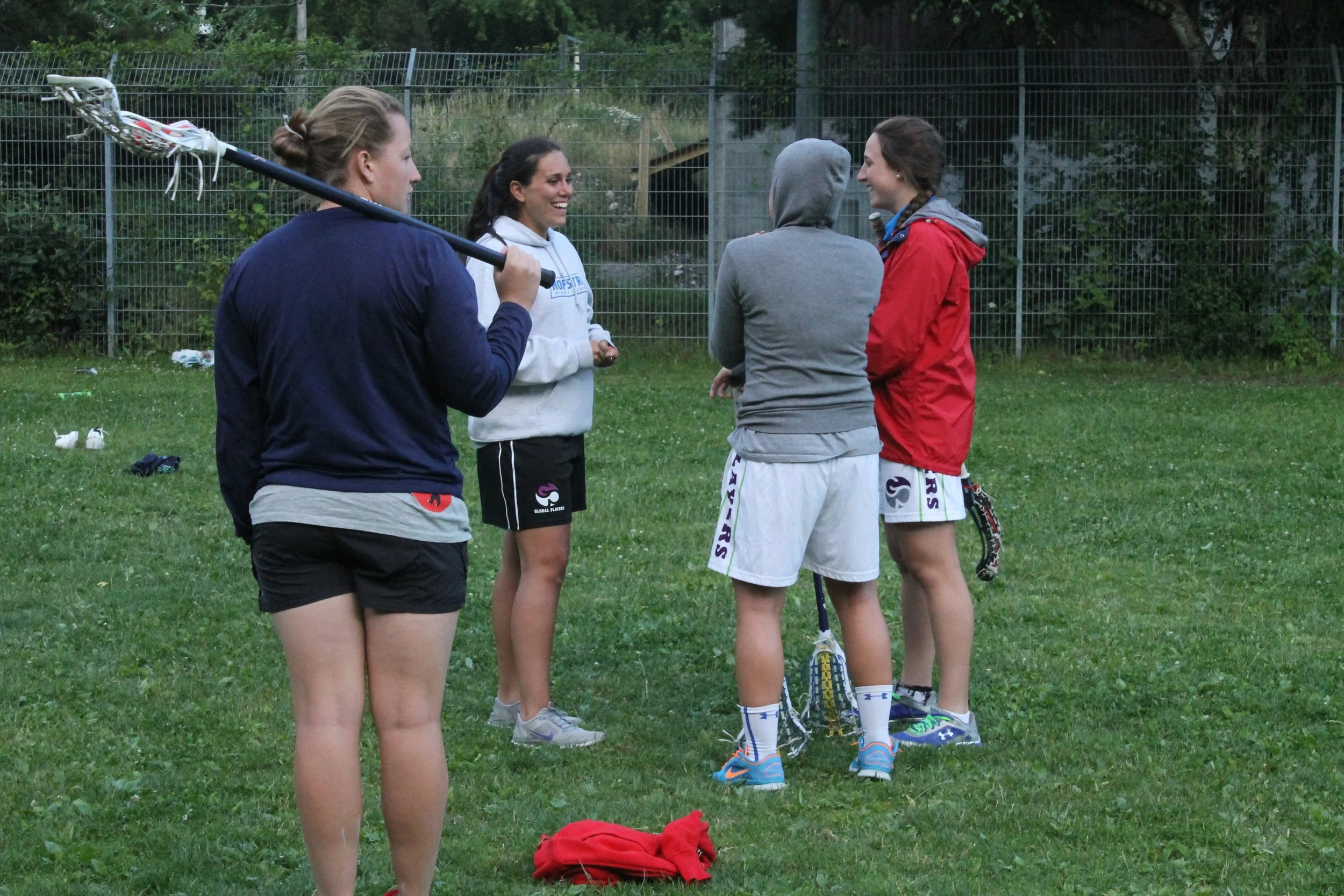
One afternoon, while making our way across Switzerland, we crossed into one of the world's smallest countries: Liechtenstein.
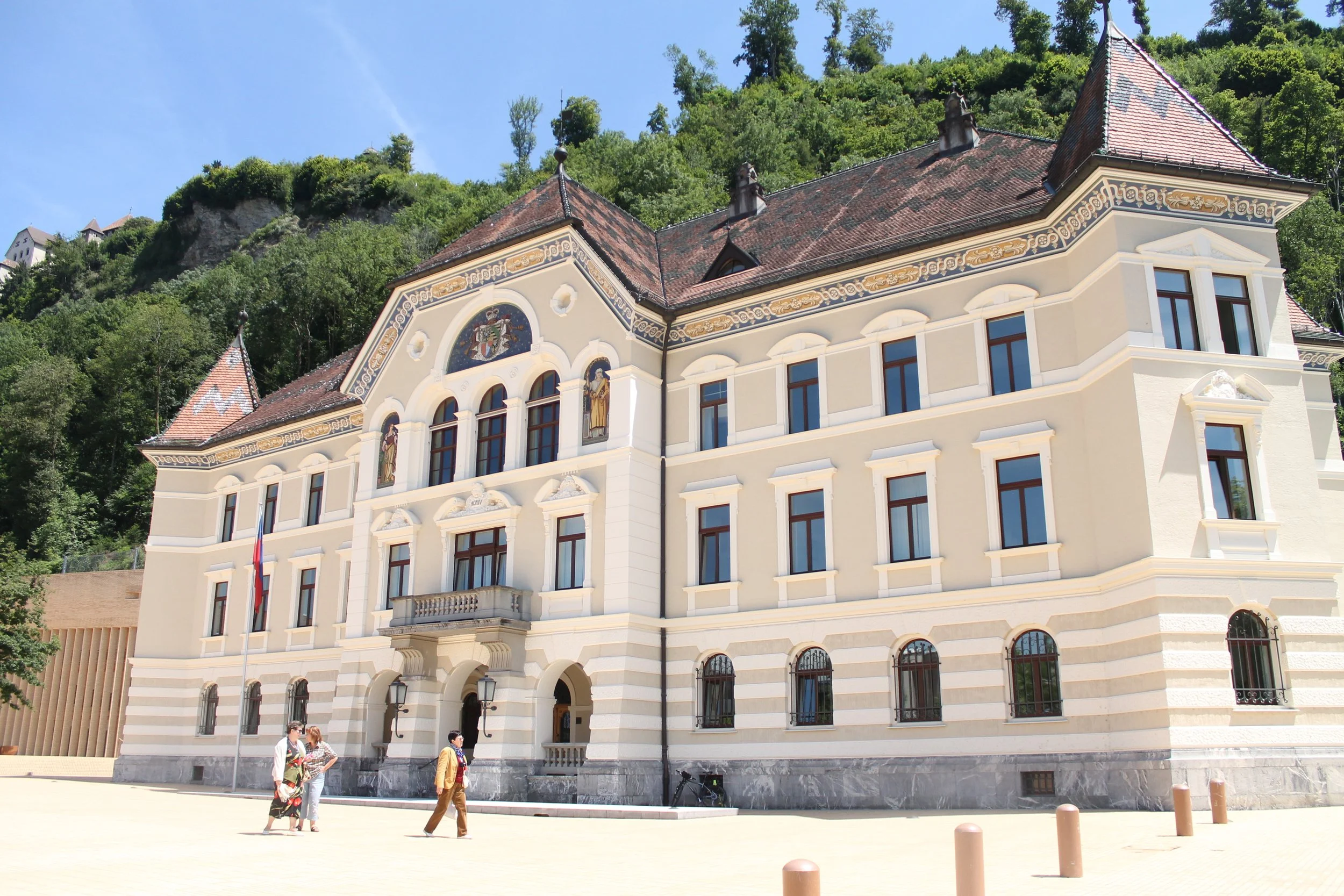
Tucked between Switzerland and Austria, the tiny principality is just over 60 square miles, making it the sixth smallest country in the world. You can drive from one end of the country to the other in about half an hour, yet despite its size, it has its own royal family, its own flag, and some of the highest standards of living anywhere in the world.
Like most stops on our journey, we had no real itinerary. We wandered the quiet streets, admired the mountains rising behind the town, and somehow found ourselves at the strangest miniature golf course I have ever seen.
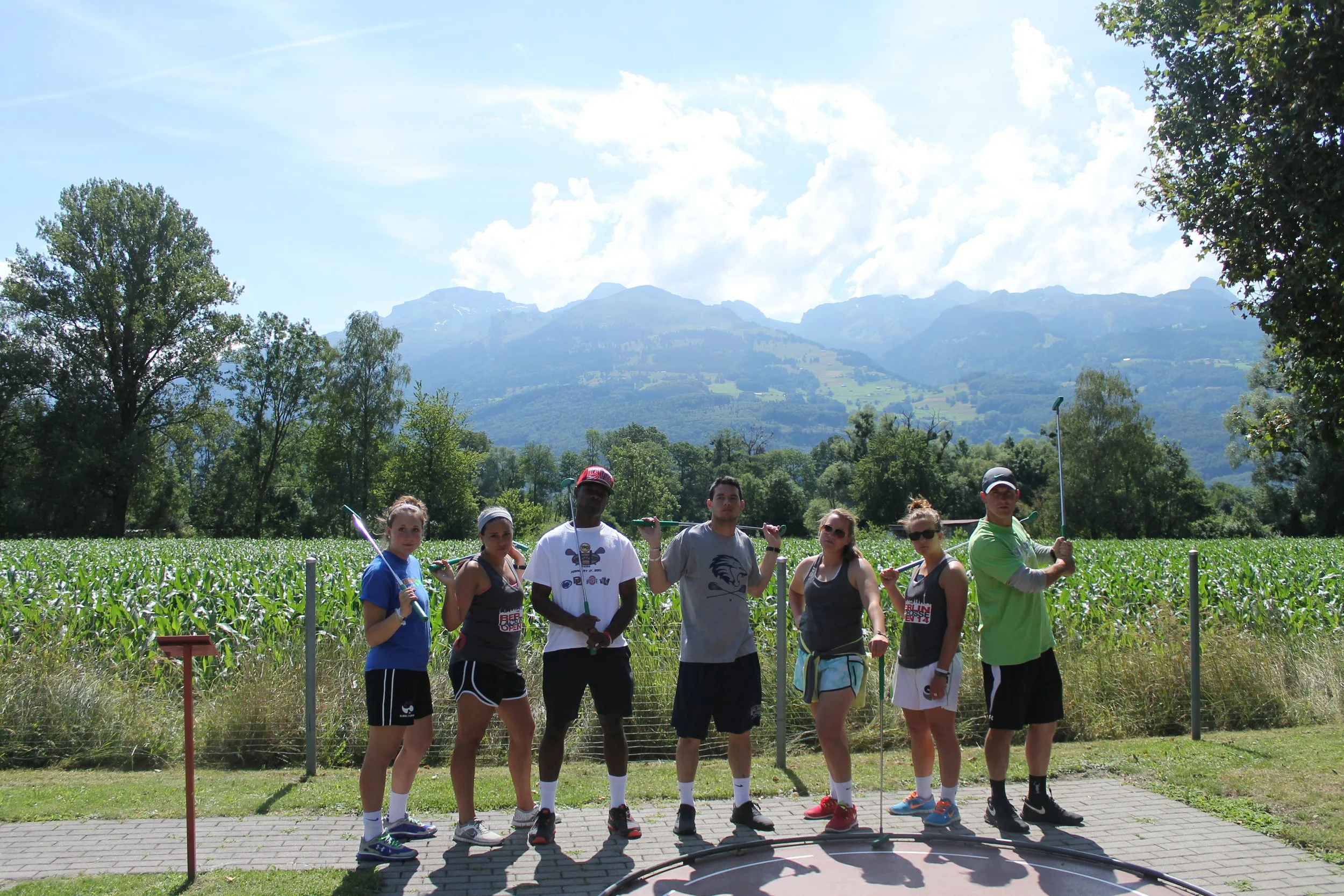
Instead of the colorful turf courses I was used to back home, every hole was built entirely on concrete. The fairways were gray slabs with concrete obstacles, oddly angled ramps, and sharp banks that sent golf balls ricocheting in every direction. It looked more like a public works project than a miniature golf course.
It was wonderfully bizarre.
We laughed our way through eighteen holes, crossed another country off our passports, and climbed back on the bus to continue our journey through Switzerland.
My favorite memory from Switzerland came near the end of the trip.
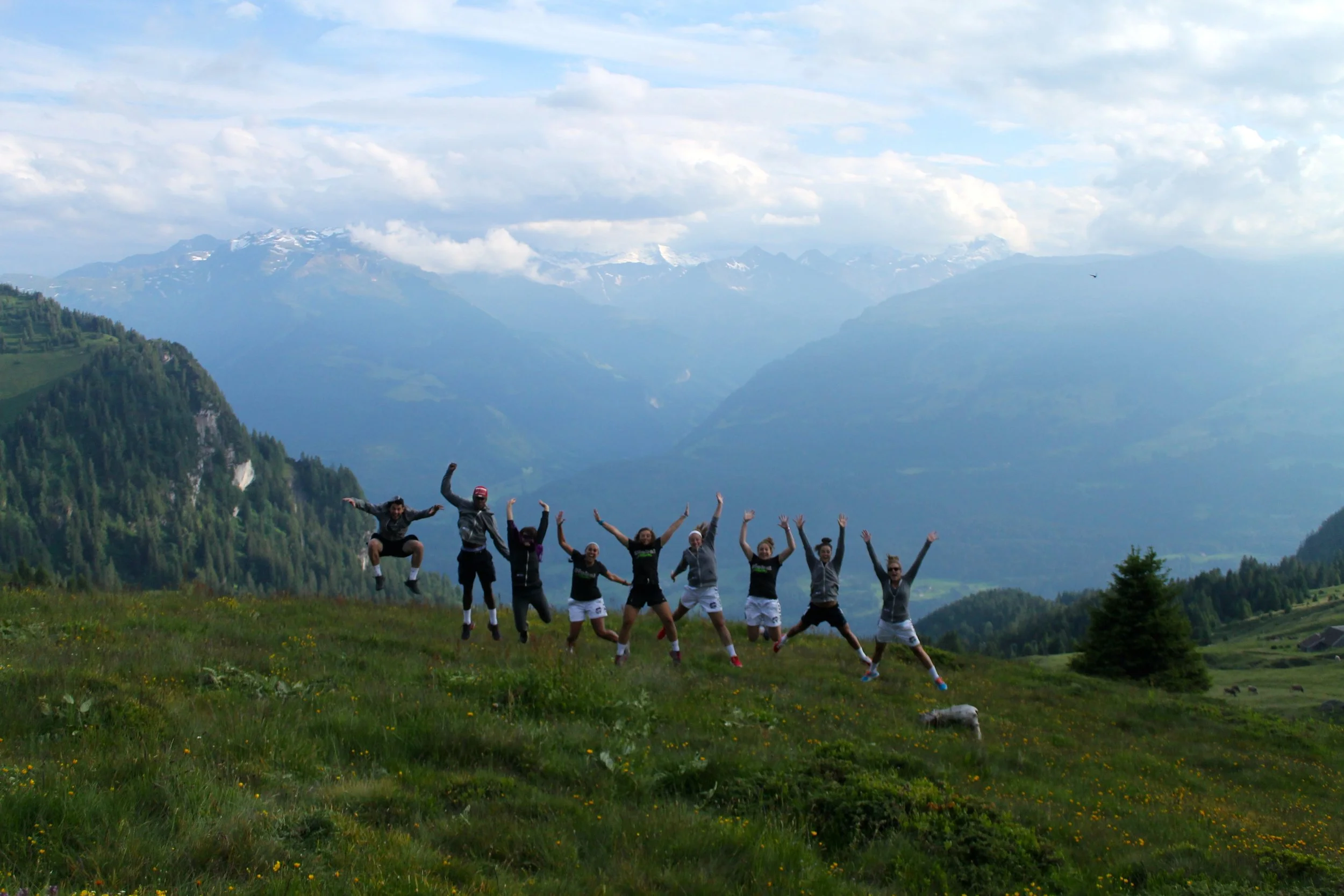
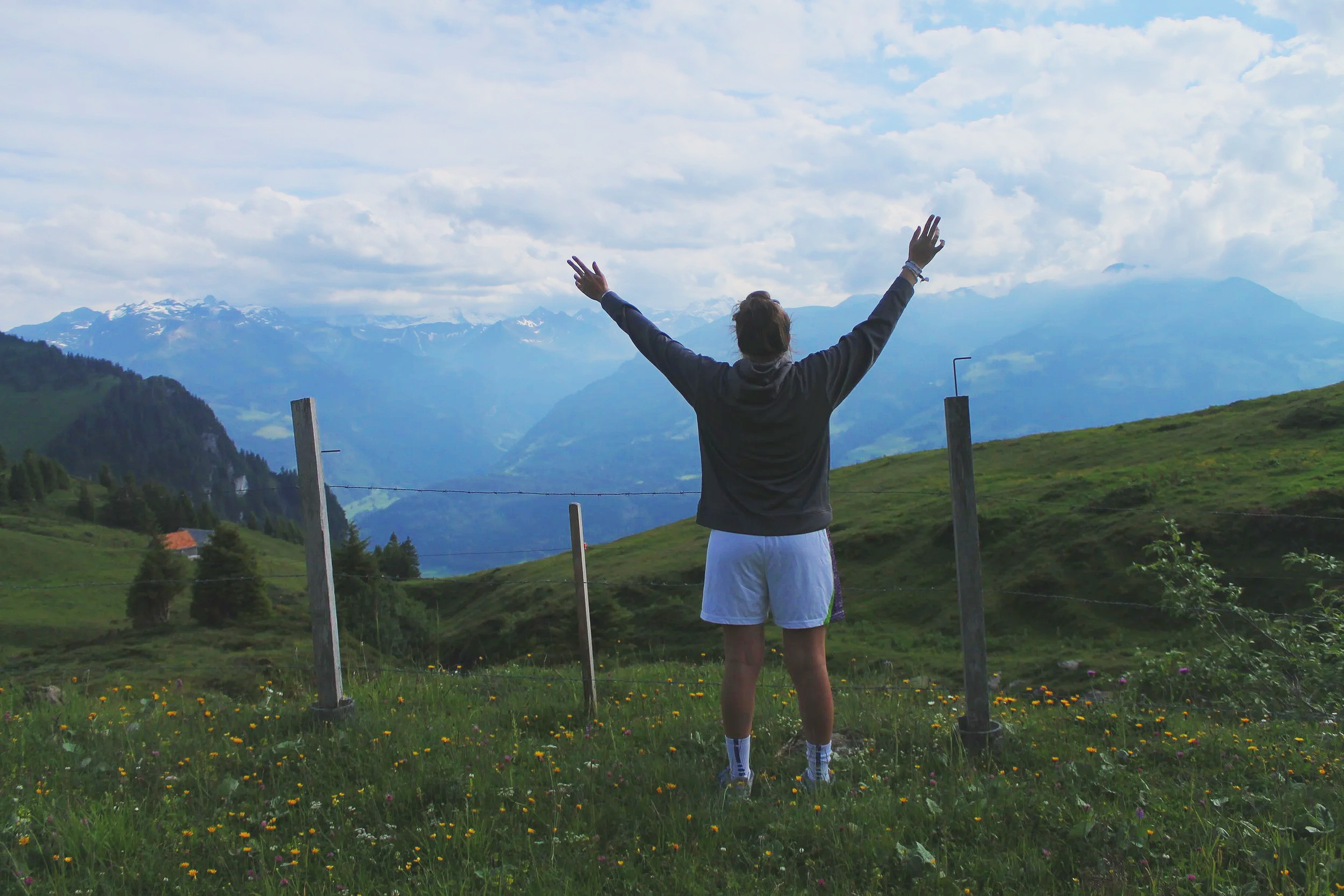
We spent a night in a mountain house tucked high into the Alps, built directly into the mountainside with a small wooden deck overlooking the surrounding peaks. It was unlike anywhere I had ever stayed before. There was no cell service, no internet, and nowhere else we needed to be.
It was also the first time I had ever seen mountains like that.
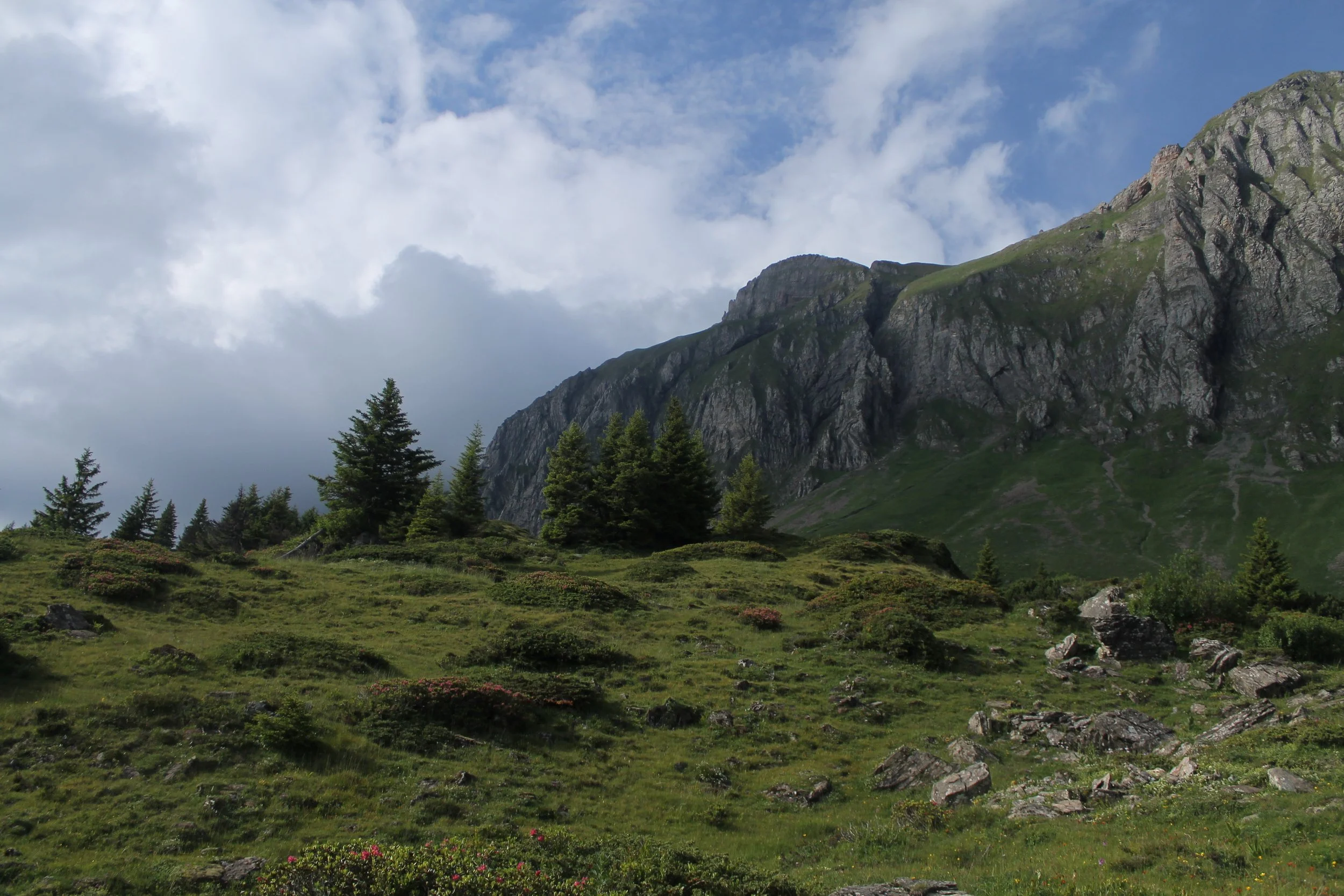
Until then, mountains had been something I knew from photographs, movies, and distant views from the highway. Standing among the Alps was entirely different. The peaks seemed impossibly large, rising around us in every direction and making everything else feel small. I remember staring at them, almost unable to process that the landscape in front of me was real.
The accommodations were simple, to say the least. The six girls shared what was essentially one giant flat sleeping platform, lined up beside one another in a single room. There was very little privacy and none of the comforts of a hotel, but that only made the experience feel more memorable. We were packed together in a mountain house in the middle of the Alps, far from anything familiar, and none of us wanted to be anywhere else.
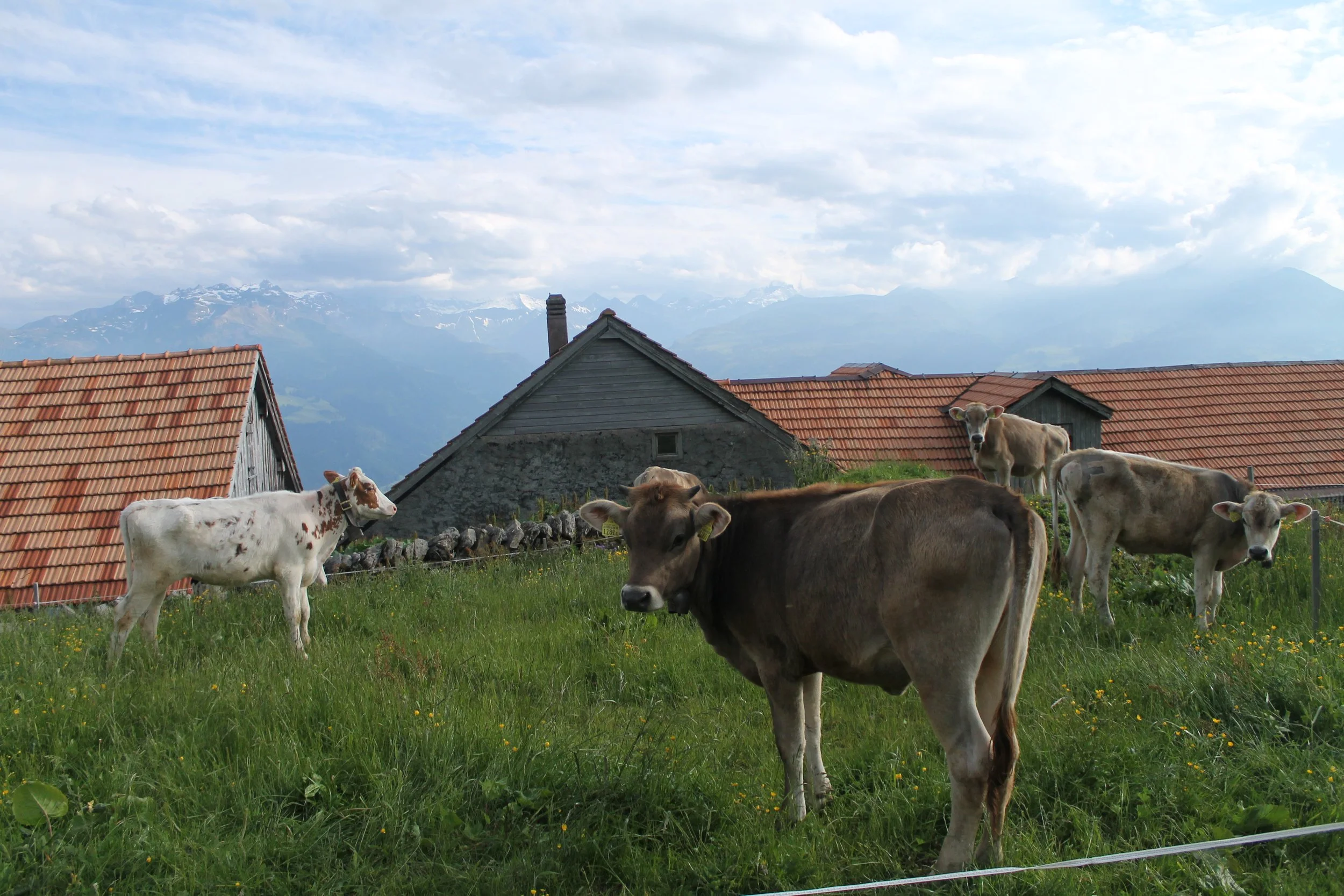
That afternoon, we took a short hike farther up the mountain. We wandered along the hillside, stopped to visit the cows grazing nearby, and eventually found a place to sit and watch the sun begin to drop behind the peaks. The light softened across the mountains, turning the sky shades of gold and pink while the valleys below slowly disappeared into shadow.
We stayed outside until the last of the color faded.
Later, the stars came out.
Without city lights or even a nearby town to dull them, the sky seemed endless. I had never seen so many stars at once. They stretched across the darkness above the mountains, brighter and clearer than I knew was possible. After weeks of moving from city to city, competing, coaching, and constantly traveling, the stillness felt almost startling.
For one night, everything slowed down.
There were no directions to follow, no trains to catch, and no tournament schedule waiting for us the next morning. There was only the mountain house, the people beside me, and a landscape so beautiful it made me understand, perhaps for the first time, why people spend their lives chasing places like this.
Looking back, I think that night planted another seed. Long before I became someone who planned trips around mountain trails, remote campsites, and sunrise views, I was a twenty year old sitting on a hillside in Switzerland, completely awestruck by the Alps.
Looking back, one of the most fascinating parts of the trip had nothing to do with lacrosse at all.
It was how disconnected we were.
This was 2014, before affordable international data plans and before every question could be answered with a quick Google search. Most of us had smartphones tucked away in our backpacks, but the moment we stepped off WiFi they became little more than cameras. I had an iPhone, but without an international plan it was essentially useless outside of hostels, cafés, and the occasional hotel. The same was true for nearly everyone on our team.
If we wanted directions, we unfolded a paper map.
If we got lost, we asked someone.
If we wanted to remember something, we wrote it down or trusted ourselves to remember it.
Our coach navigated Switzerland with printed MapQuest directions spread across the dashboard, occasionally pulling over on quiet country roads to ask locals for help after inevitably taking a wrong turn. Today, getting lost usually means watching a blue dot drift away from a highlighted route. Back then, it meant laughing with your teammates as everyone tried to figure out which tiny mountain road, with a name you could not pronounce, you were actually standing on.
There was no checking restaurant reviews before dinner, translating every sign with a phone camera, or texting home throughout the day. When we left the hostel each morning, we simply disappeared into the day. Our families trusted we'd resurface eventually, and we did.
I don't remember feeling anxious about it either. It was simply how travel worked.
Without constant notifications or endless scrolling to fill the quiet moments, we paid attention. We watched the countryside roll past bus windows. We noticed little bakeries tucked into side streets. We struck up conversations with strangers because there wasn't anything else competing for our attention. We spent hours talking to one another on long bus rides, wandered cities without a rigid itinerary, and occasionally got wonderfully, hopelessly lost.
There's a freedom that comes with not always knowing exactly where you are or what's around the next corner. Looking back, I think we experienced places more fully because we weren't experiencing them through a screen.
Ironically, the less connected we were to our phones, the more connected we became to the people around us and the places we had traveled so far to see.
At the time, I had no idea those six weeks would become the first chapter of a lifelong love affair with travel.
They gave me my first passport stamp, my first experience navigating another country, my first hostel, and my first realization that the world was both far bigger and far more welcoming than I had ever imagined.
I thought I was flying to Europe to play lacrosse and make travel content for.a team.
Instead, I unknowingly laid the foundation for nearly every adventure that would follow.