Trekking to Machu Picchu via the Salkantay Trail - October 2022
There are trips you remember because of the destination, and then there are the ones you remember because of the journey. For me, Peru was the latter.
When I first began planning our trip to Machu Picchu, I quickly realized there was more than one way to get there. While many travelers arrive by train, I discovered two multi-day trekking routes (The Inca Trail & The Salkantay Trail) that offered a completely different experience. For us, hiking through the Andes and arriving on foot felt much more in line with the adventures we seek when we travel. After reading countless reviews, I landed on the five day Salkantay Trek with Salkantay Trekking . At the time, I had no idea it would become one of the most physically and mentally challenging adventures I'd ever taken, but also one of the most rewarding.
Our journey began long before we stepped onto the trail. Before sunrise, we boarded a bus in Cusco and began winding our way into the Andes. Looking out the window, the city slowly disappeared behind us as tiny villages, grazing alpacas, and snow covered peaks took its place. Everyone on the bus was buzzing with excitement, but if I'm being honest, I was mostly thinking about one thing: the altitude.
Cusco sits at approximately 11,150 feet (3,399 meters), making it one of the highest cities many travelers will ever visit. Simply walking up a flight of stairs left me breathing hard. I'd never experienced elevation like that before, and it honestly intimidated me. I remember wondering how I was supposed to spend the next five days hiking even higher when I already felt out of breath standing still.
Thankfully, our guides quickly put those fears at ease. From the moment we met them, the team from Salkantay Trekking was incredible. Our lead guide, George, had a way of making everyone feel calm, confident, and excited for what was ahead. He somehow knew exactly when to slow the group down, when to share stories about the mountains around us, and when a few encouraging words were all someone needed.
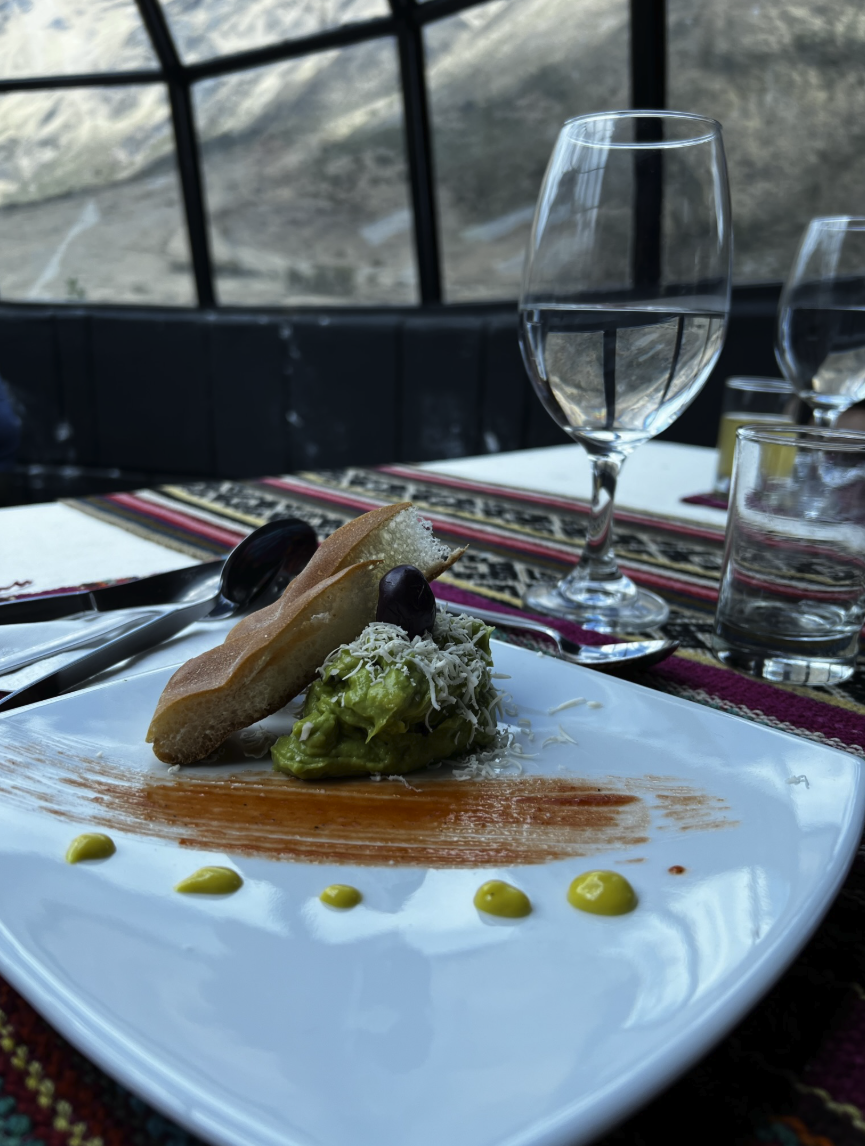
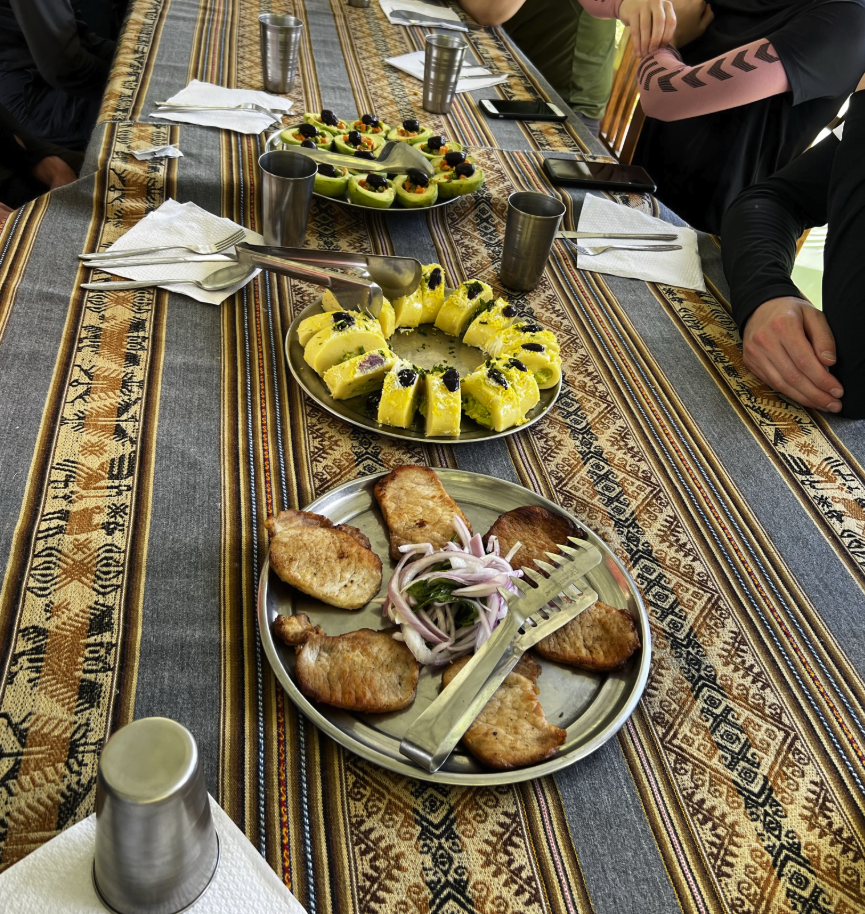
One of the biggest surprises of the trip was the food. I don't know what I expected from a multi day trek through the Andes, but gourmet meals certainly weren't on the list. Somehow, every breakfast, lunch, and dinner was better than the last. Fresh soups, homemade breads, quinoa, vegetables, trout, pasta, desserts... every meal felt like something you'd expect in a restaurant, not at a remote mountain campsite. To this day, I still say it's some of the best food I've had while traveling.
Our group made the experience even better. We had several young couples hiking with us from all over the world, and over five days together, strangers quickly became friends. Meals turned into long conversations, rest stops became opportunities to swap travel stories, and by the end of the trek it felt like we'd all been traveling together for much longer than a week.
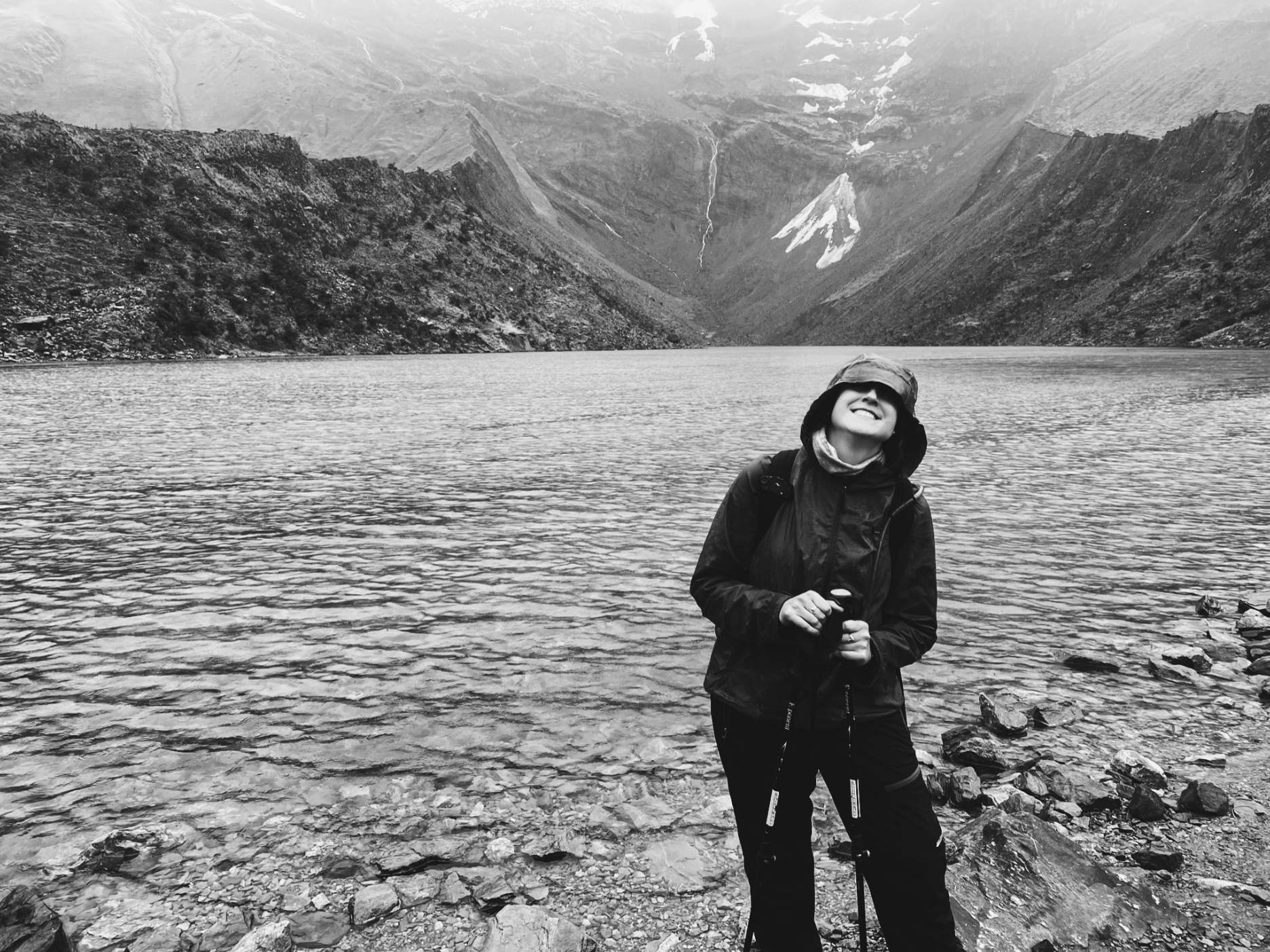
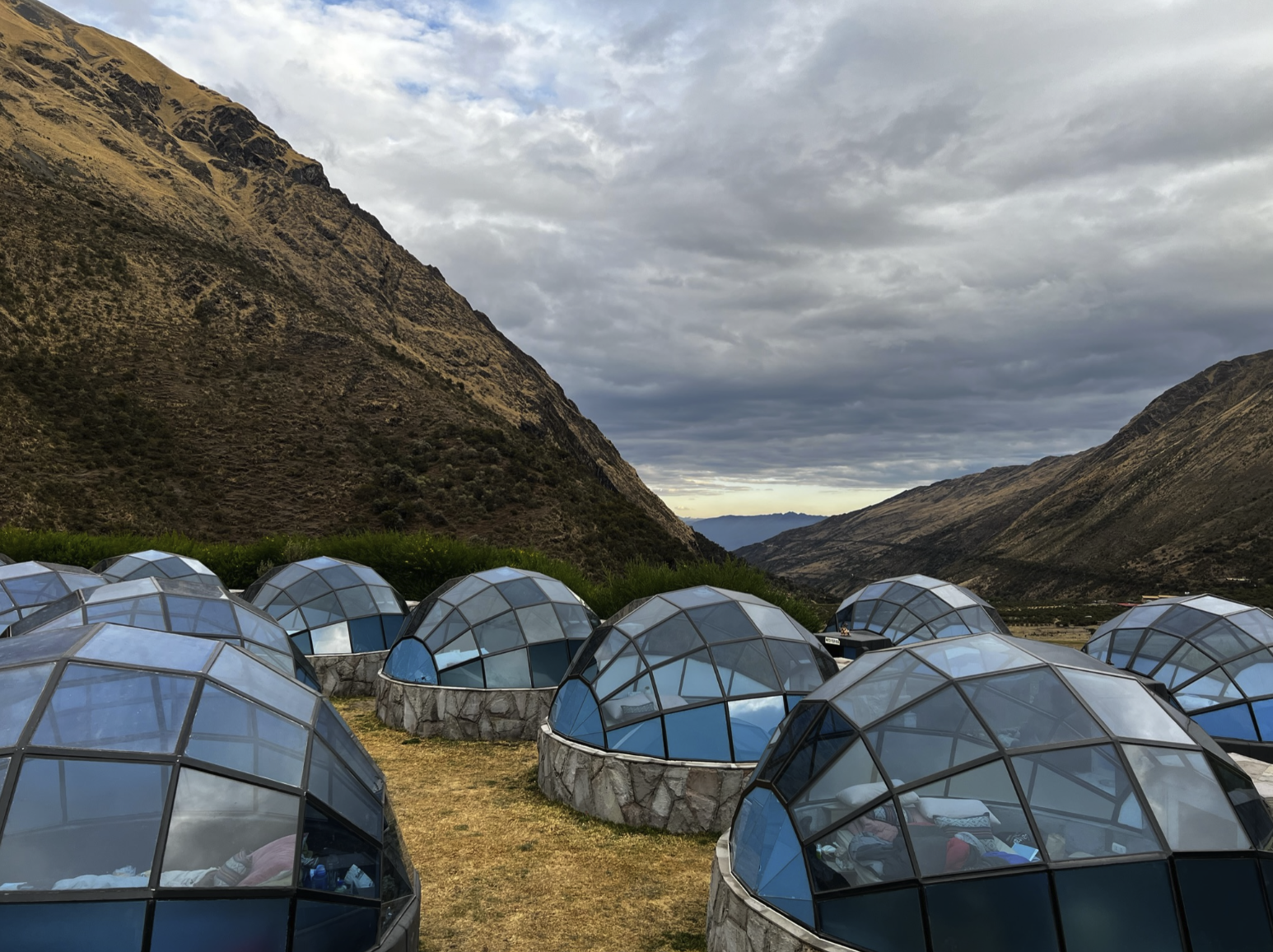
Our first campsite was one I'll never forget. Nestled beneath towering peaks were a collection of geodesic Sky Domes, complete with panoramic windows looking straight at the mountains. It felt like the perfect balance between adventure and comfort. After settling in, we weren't finished hiking for the day. We climbed another steep trail to Humantay Lake, one of the most beautiful alpine lakes I've ever seen. The water glowed an impossible shade of turquoise beneath the surrounding glaciers, and although the climb left me gasping for air, it was impossible not to stop every few minutes just to take in the view.
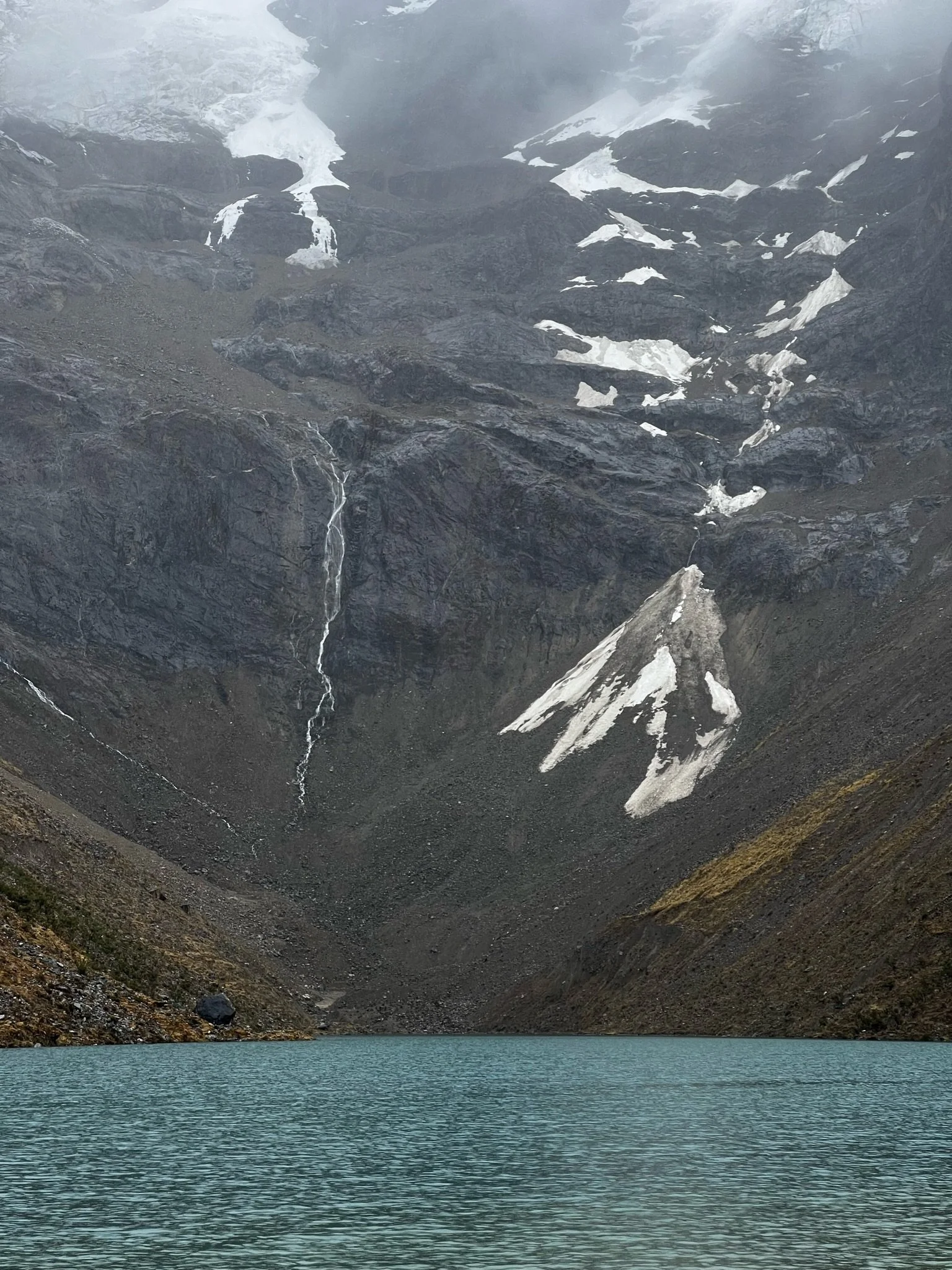
Humantay Lake
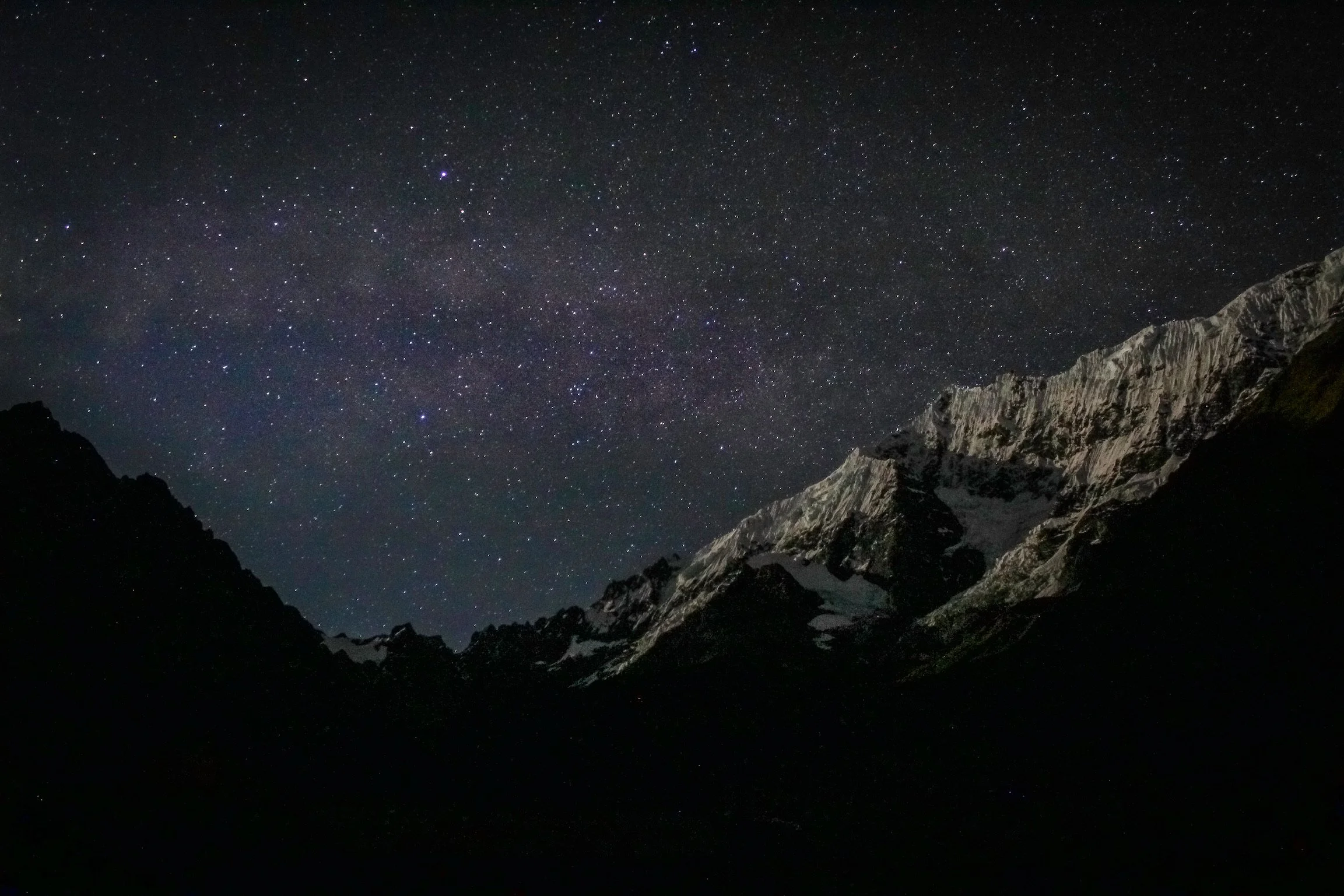
Stars over Salkantay Pass
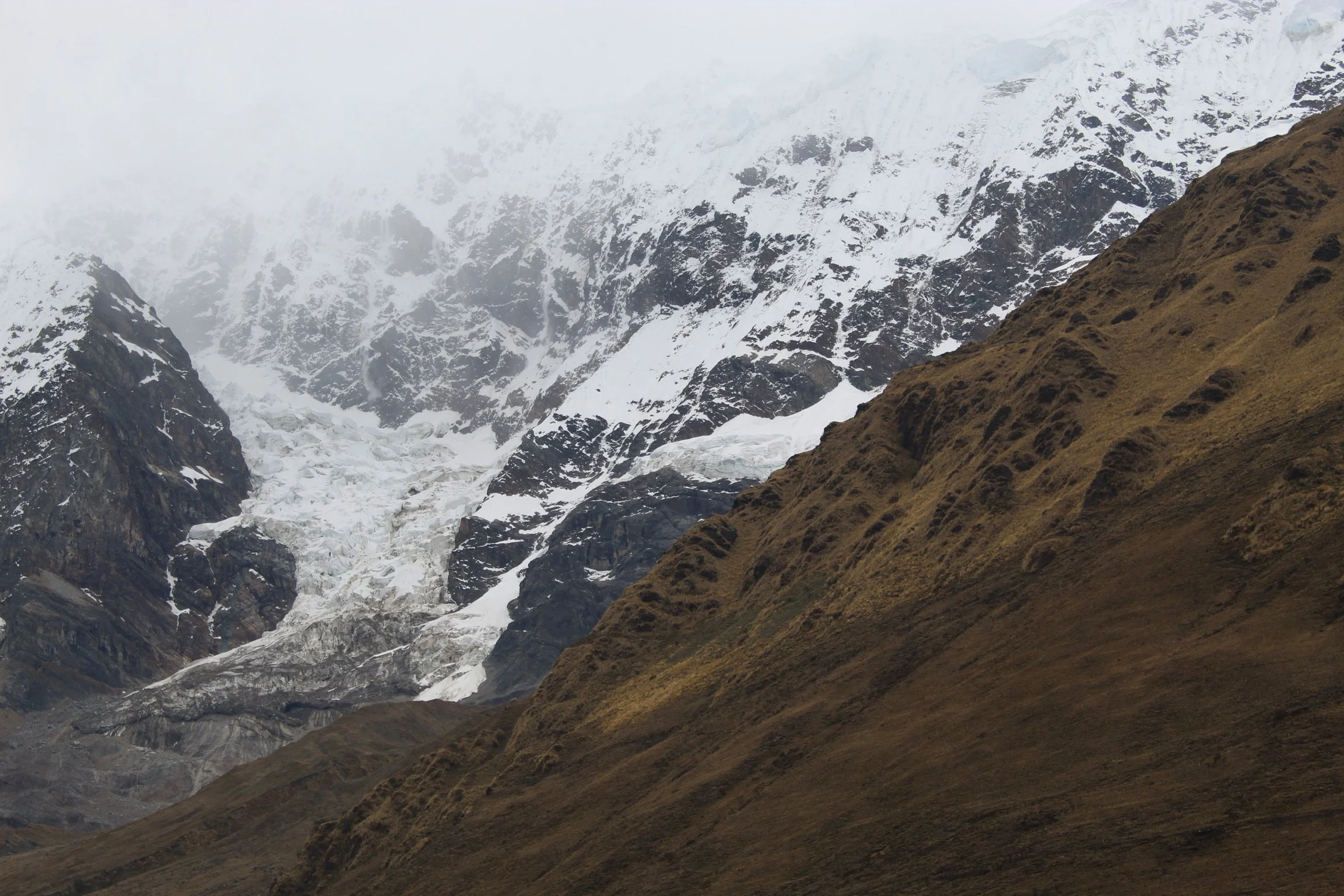
The next morning was the day I had been quietly dreading.
Salkantay Pass.
I had never struggled with altitude quite like this before. It wasn't that my legs couldn't do the work. My lungs simply couldn't keep up. Every few minutes I found myself stopping, hands on my knees, trying to catch my breath. I'd take a handful of steps, stop again, breathe, and repeat the process all over. Horses were available for anyone who wanted them, and I won't pretend the thought didn’t cross my mind more than once. But something in me wanted to keep walking. Slowly. Patiently. One step at a time.
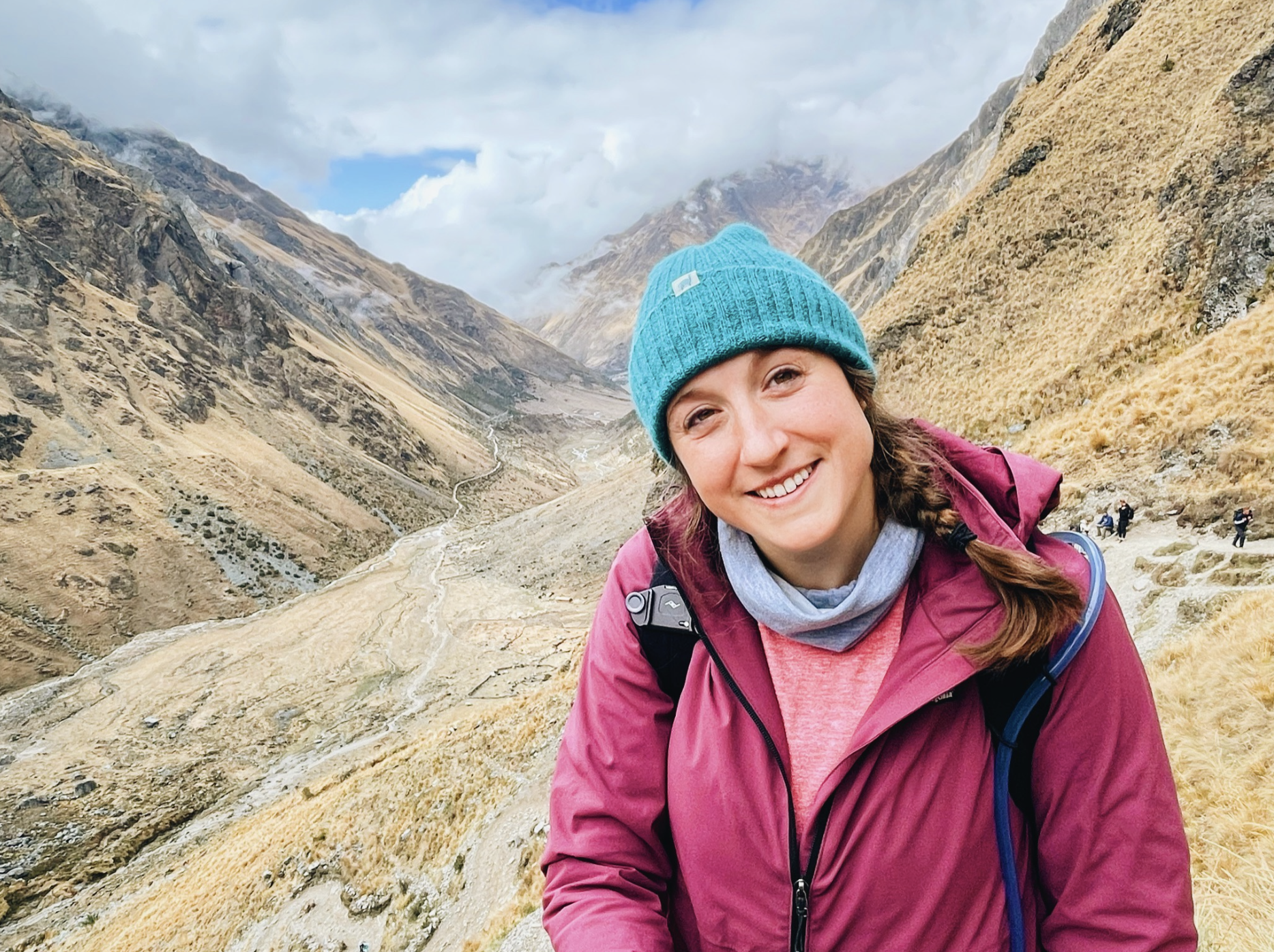
At 15,190 feet (4,630 meters), Salkantay Pass is the highest point of the trek, and reaching it meant climbing steadily through increasingly thin air. About three quarters of the way up, the trail arrives at one of the most recognizable sections of the route: the Seven Snakes. Named for the seven steep switchbacks that zigzag up the mountainside, it's easy to see where the trail gets its name as it winds back and forth across the rocky slope. Looking up from below, the path seemed to stretch endlessly toward the pass. Looking back down after each turn, the views became more spectacular, revealing just how much elevation we had gained. The Seven Snakes wasn't the final climb, but it was certainly the section that tested my determination the most. By the time I reached the top of the switchbacks, I had settled into a rhythm: walk a little, breathe a lot, and trust that every step, no matter how small, was bringing me closer to the pass.
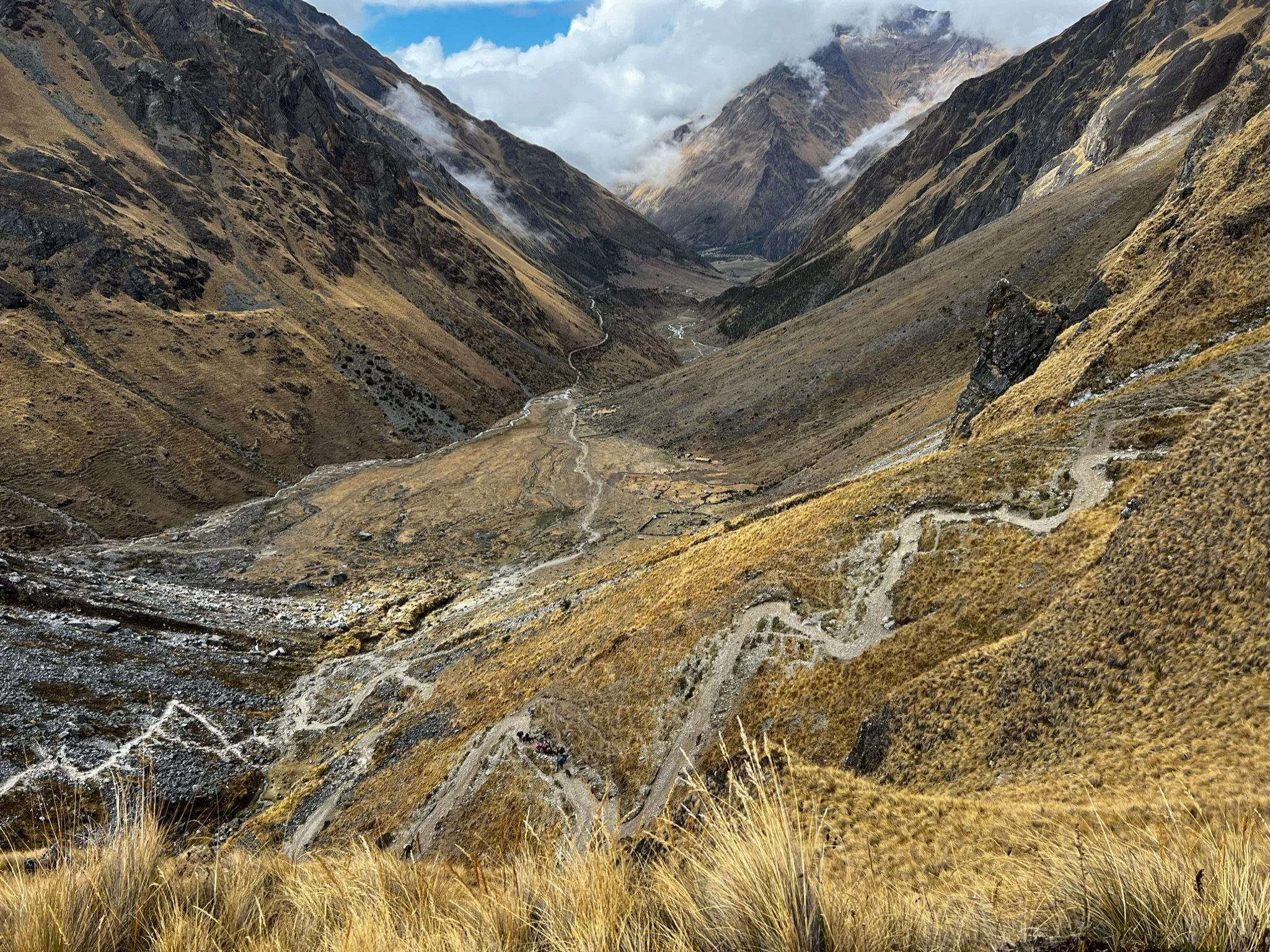
Looking down at Seven Snakes
Reaching the summit of Salkantay Pass remains one of the moments I'm most proud of from any trip I've taken. It wasn't graceful, and it certainly wasn't fast, but I made it under my own power. Standing there surrounded by snow covered peaks, I felt a sense of accomplishment that only comes from pushing through something you genuinely weren't sure you could do.
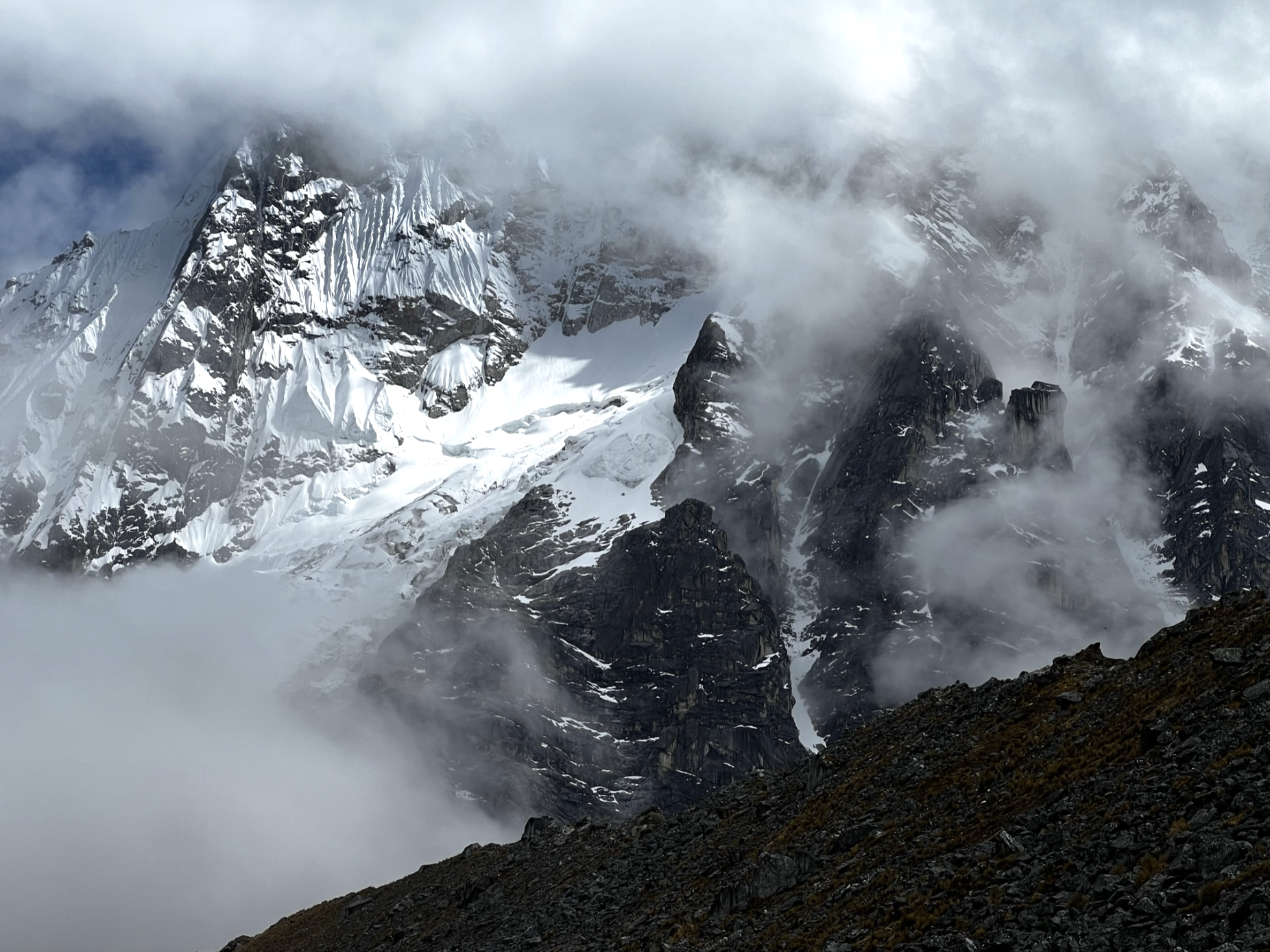
Mount Salkantay (6,271 m/20,574 ft) is the highest peak in the Vilcabamba range of the Peruvian Andes
As quickly as the mountains had challenged us, they rewarded us. From the pass, the landscape transformed almost unbelievably. We descended from glaciers into cloud forests and eventually into the edge of the Peruvian rainforest. Within a single day, alpine tundra gave way to lush green vegetation, waterfalls, orchids, and warm, humid air.
Personally, I remember feeling one overwhelming emotion: relief. After days spent thinking almost exclusively about altitude, it felt incredible to finally breathe normally again.
One afternoon we stopped for an extended lunch break where several trekking groups had gathered. Someone found a soccer ball, and before long hikers from half a dozen different countries were playing together in the middle of the Peruvian mountains. It's funny how those small, unexpected moments often become some of your favorite memories.
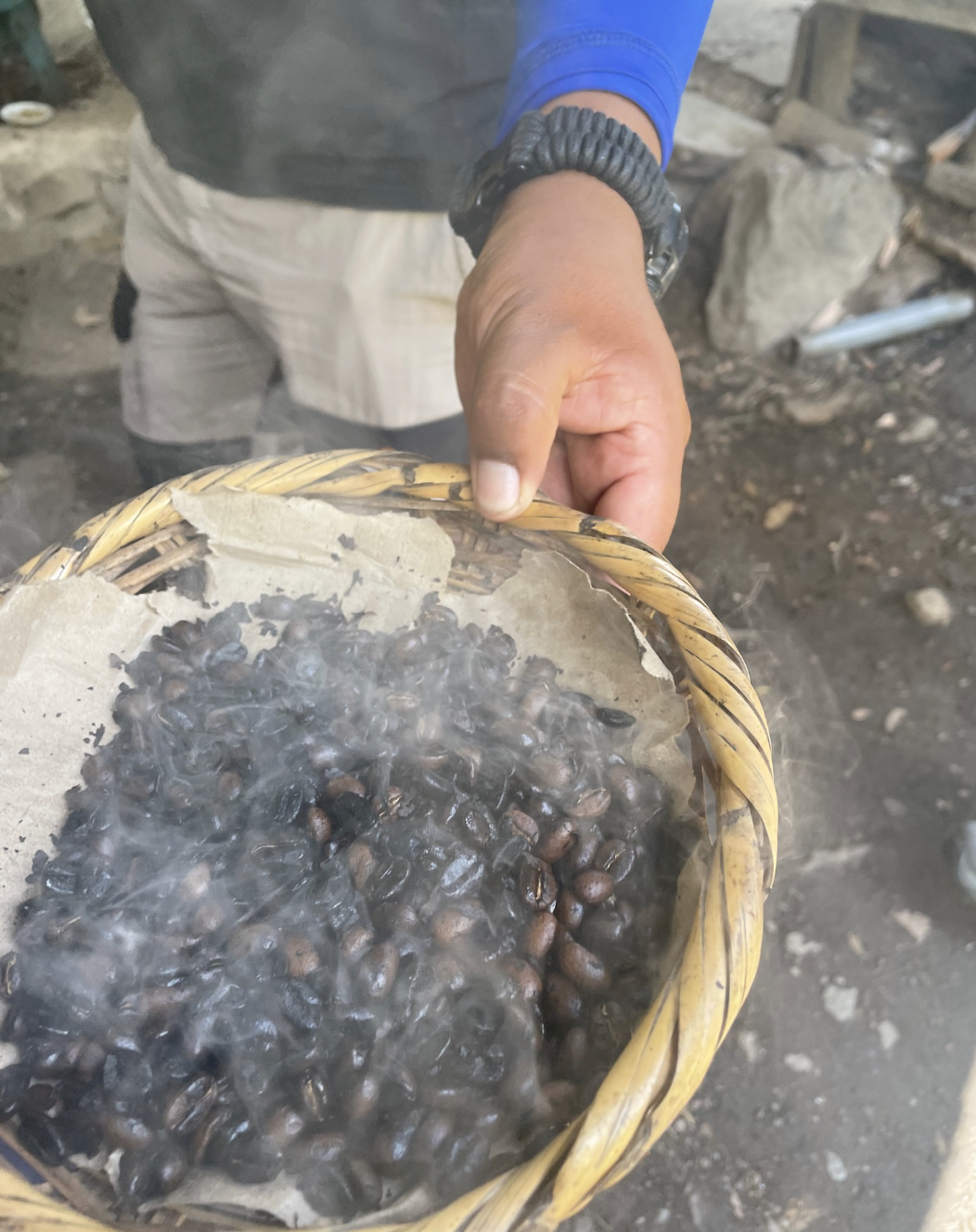
Later in the trek, we visited a family owned coffee farm tucked into the mountainside. We learned how coffee cherries are harvested by hand before being fermented, dried, roasted, and ground entirely on site. Tasting coffee only minutes after watching the entire process gave me a new appreciation for something I drink almost every day. Peruvian coffee is known for its smooth, balanced flavor thanks to the country's high elevations, fertile soil, and ideal growing conditions, and getting to see that process firsthand made every cup afterward feel a little more meaningful.
After four incredible days on the trail, we descended into Aguas Calientes, the bustling town nestled at the base of Machu Picchu. Unlike the quiet mountain camps we had grown accustomed to, Aguas Calientes was full of restaurants, cafés, shops, and fellow trekkers celebrating the end of their journey. Best of all, it meant something we hadn't experienced in days: a real hotel room and a hot shower.
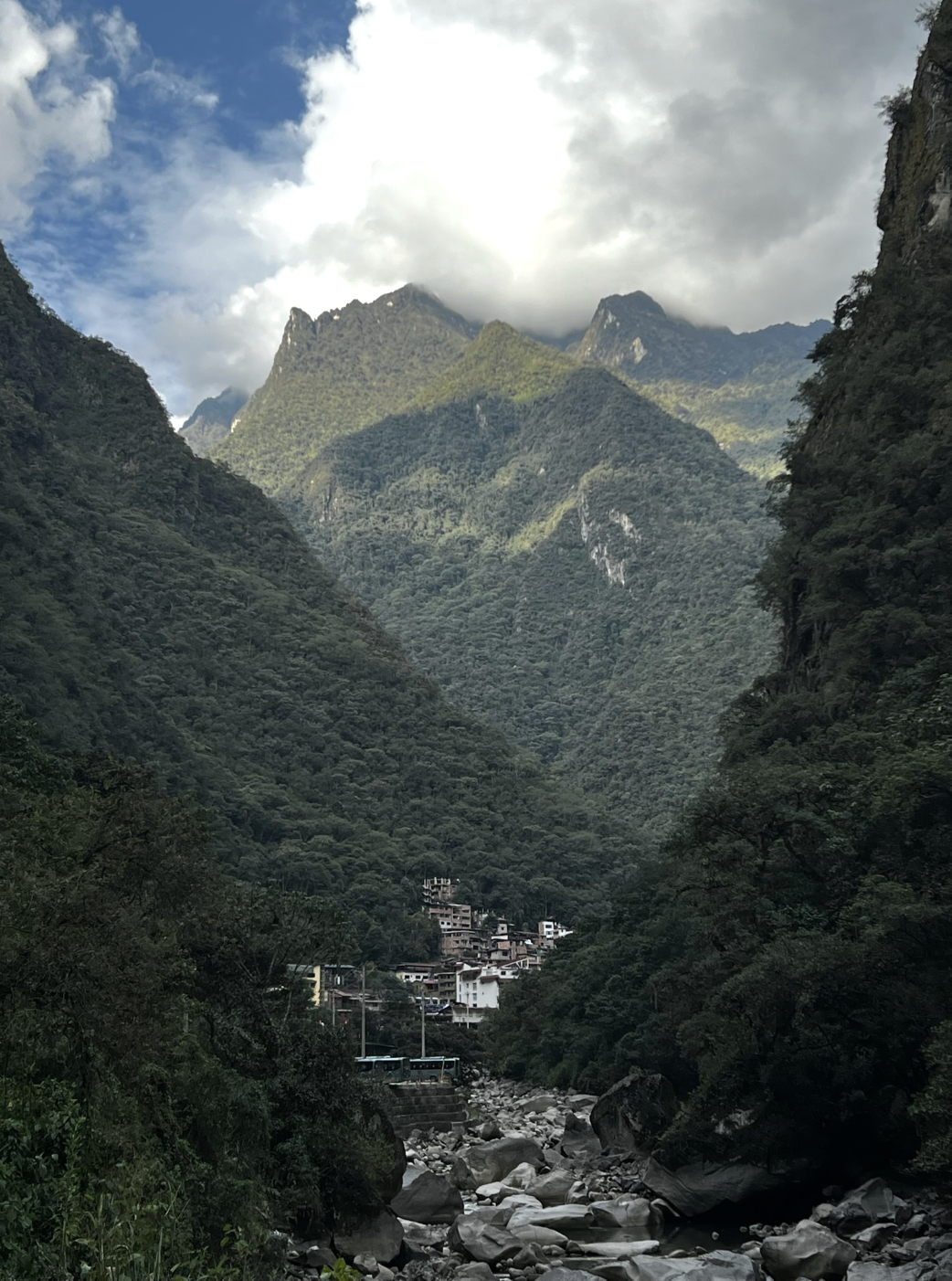
Aguas Calientes, the gateway to Machu Picchu
That evening, we reunited with our trekking group one last time for a farewell dinner. After spending five days sharing meals, climbing mountains, and encouraging one another through the toughest stretches of the trek, it felt less like saying goodbye to fellow travelers and more like celebrating with friends.
Of course, no celebration in Peru would be complete without a Pisco Sour. Made with pisco, Peru's signature grape brandy, fresh lime juice, simple syrup, egg white, and a few drops of bitters, it's light, citrusy, and wonderfully refreshing. After days of hiking through the Andes, it tasted especially well deserved.
The next morning, before sunrise, we boarded one of the first buses climbing the winding road to Machu Picchu.
Most visitors head straight into the ancient citadel.
We decided to make one final climb.
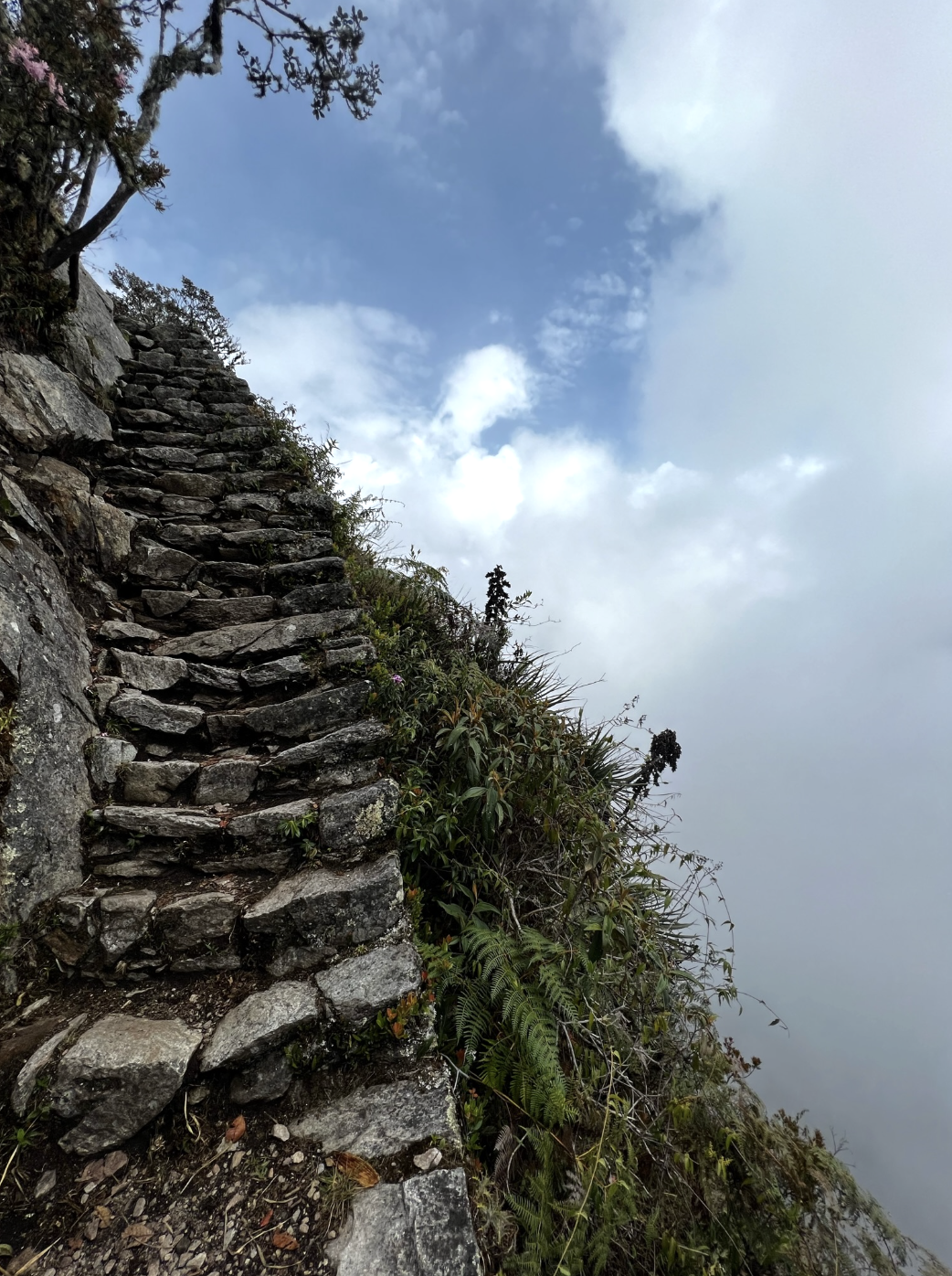
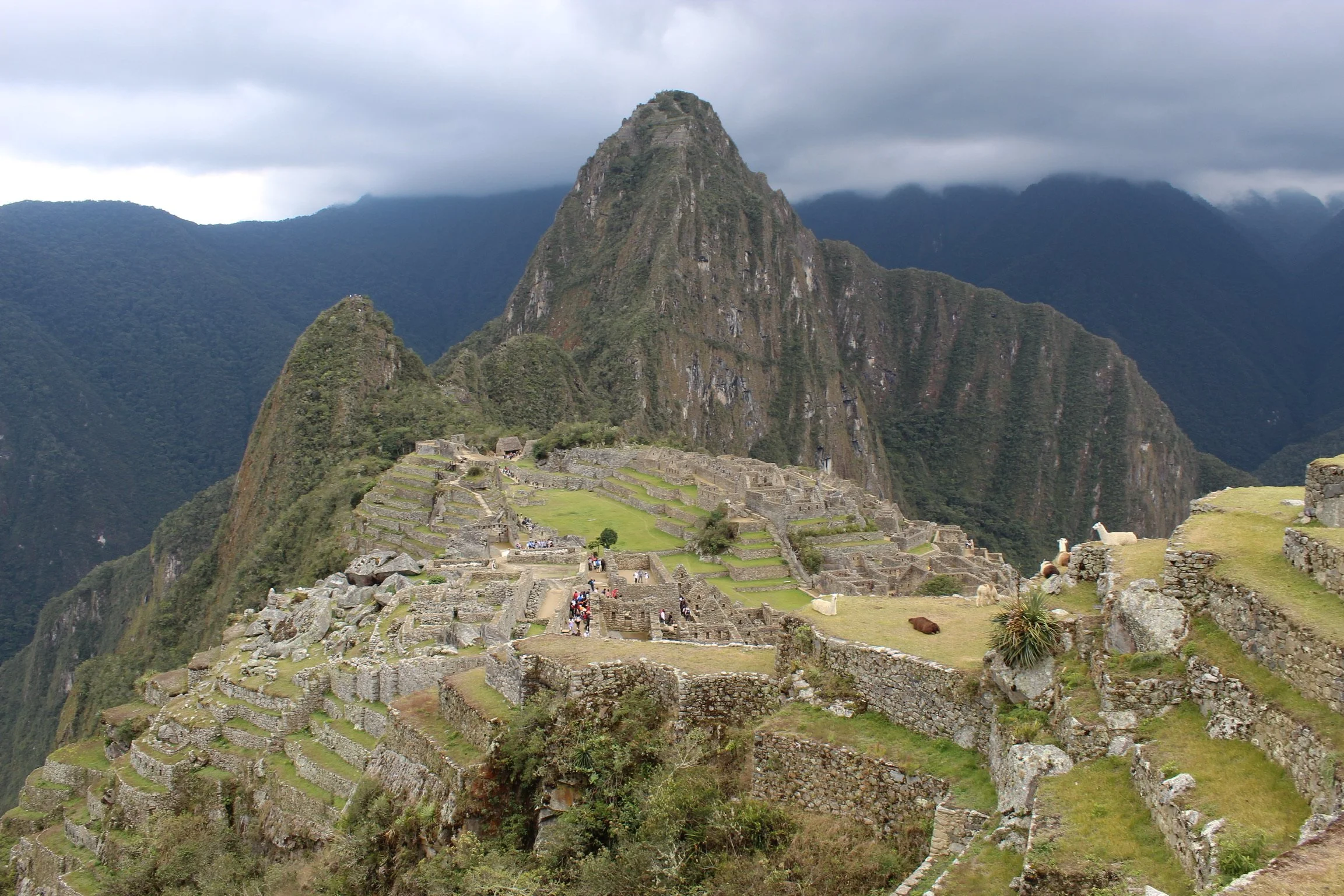
Before touring the ruins, we hiked Montaña Machu Picchu, the towering peak that overlooks the archaeological site. The trail gains nearly 1,600 feet (490 meters) almost entirely on steep Incan stone staircases. After four days of trekking, our legs were far from enthusiastic, but our hearts certainly were. Standing on the summit, looking down at Machu Picchu surrounded by jagged green peaks and clouds drifting through the valley below, remains one of the most rewarding views I've ever experienced.
Only then did we descend to explore the ancient city itself.
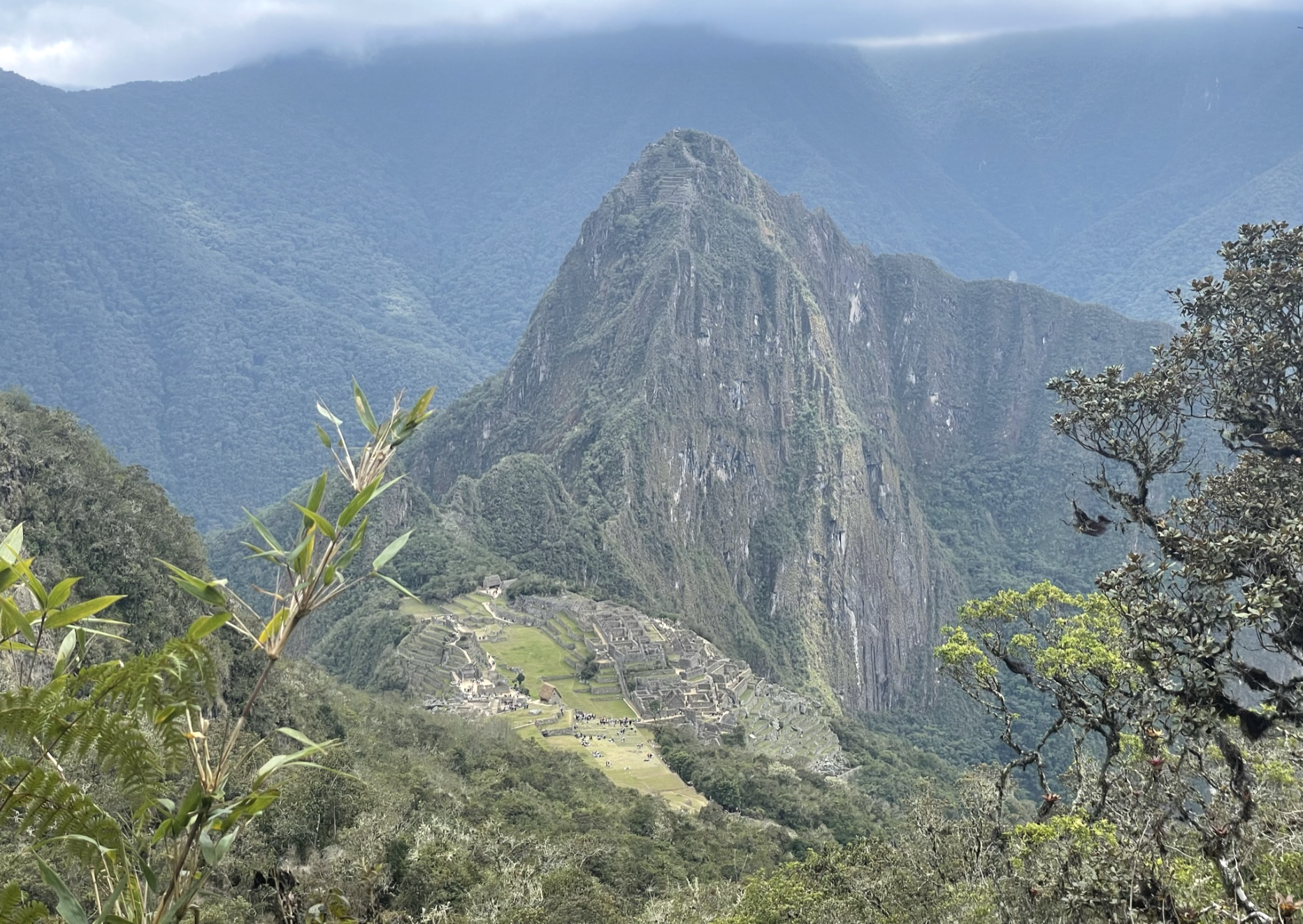
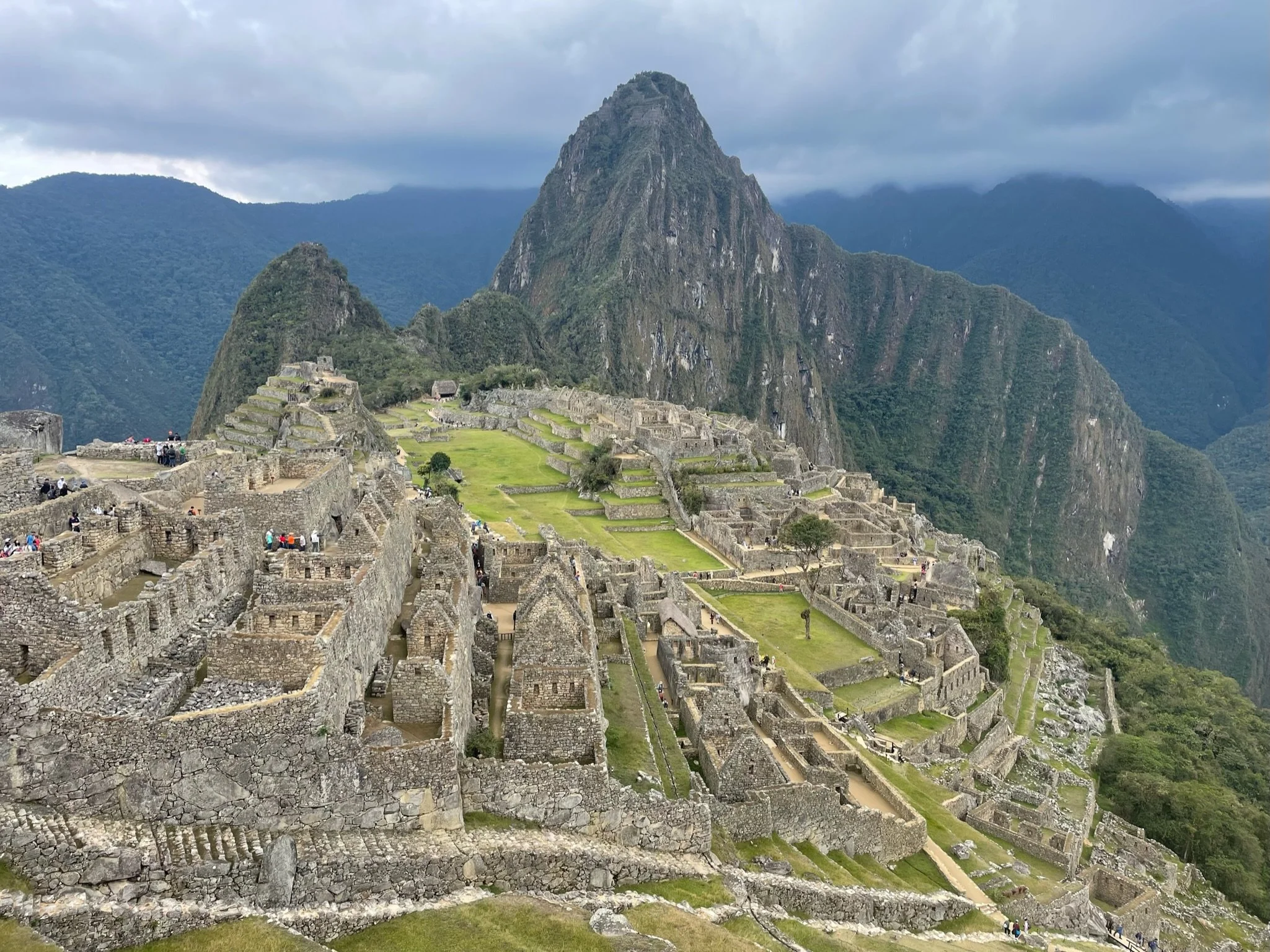
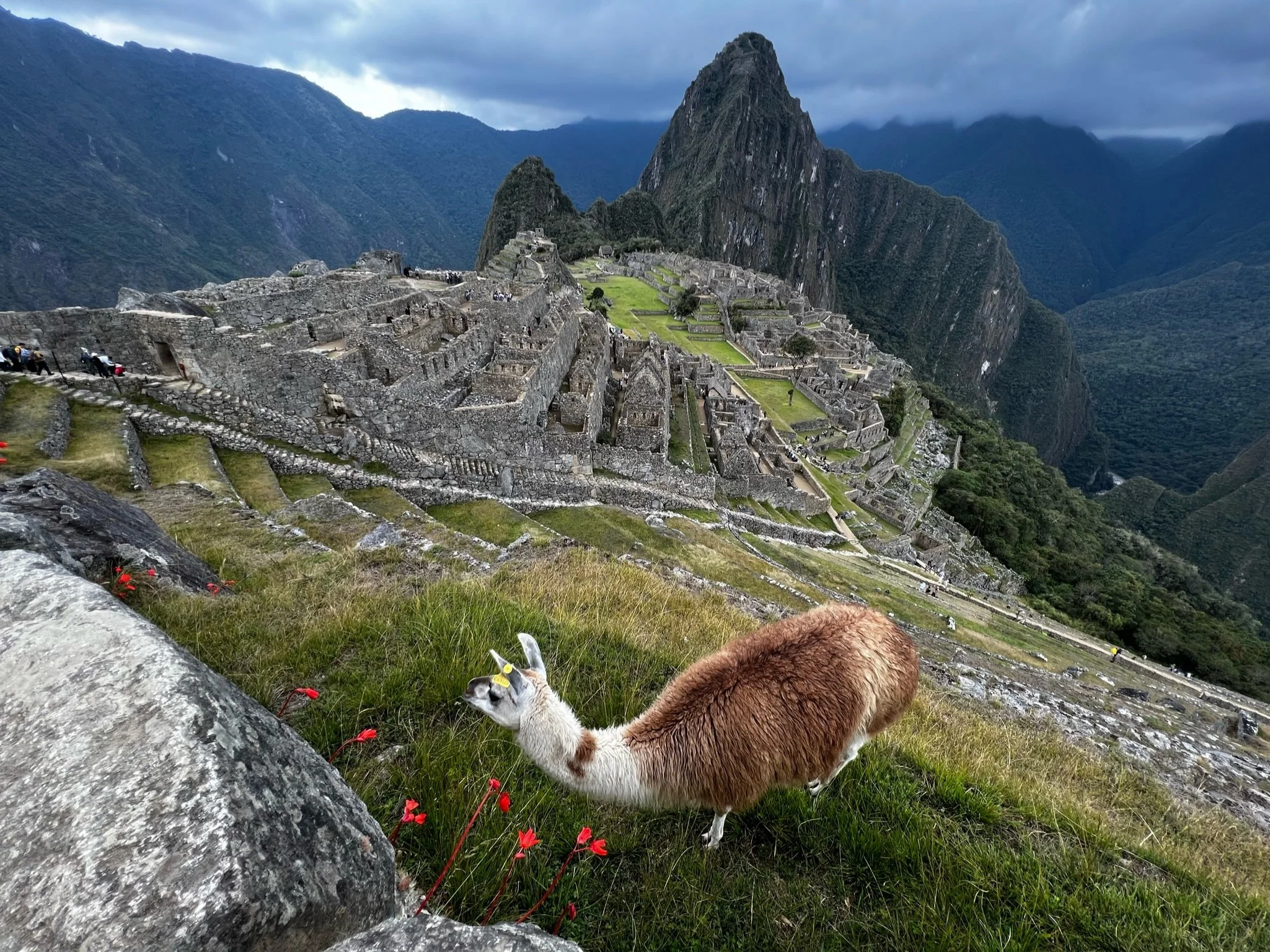
Built during the 15th century under the reign of the Inca emperor Pachacuti, Machu Picchu is believed to have served as both a royal estate and an important ceremonial center. Walking through its precisely carved stone buildings, agricultural terraces, and sacred temples was remarkable in its own right. Yet arriving there on foot after spending days crossing mountain passes, cloud forests, and remote valleys made the experience feel profoundly different.
We hadn't simply visited Machu Picchu.
We had journeyed to it.
That afternoon, we boarded the train back through the Sacred Valley to Cusco, trading hiking boots for train seats as we watched the Andes roll by outside the window.
Looking back now, I realize this trip wasn't really about Machu Picchu.
It was about discovering that I was capable of more than I believed.
The altitude challenged me in ways I had never experienced. The mountains tested both my body and my confidence, and there were moments when I genuinely questioned whether I could make it. Somewhere along the trail, however, that uncertainty quietly transformed into belief.
If you're considering trekking to Machu Picchu, I cannot recommend Salkantay Trekking enough. Between George's incredible leadership, phenomenal food, unique accommodations, and the friendships formed along the trail, they created an experience that felt personal from beginning to end.
Some adventures end when you return home.
Others quietly shape every adventure that comes after.
This was one of those.